Uncategorized

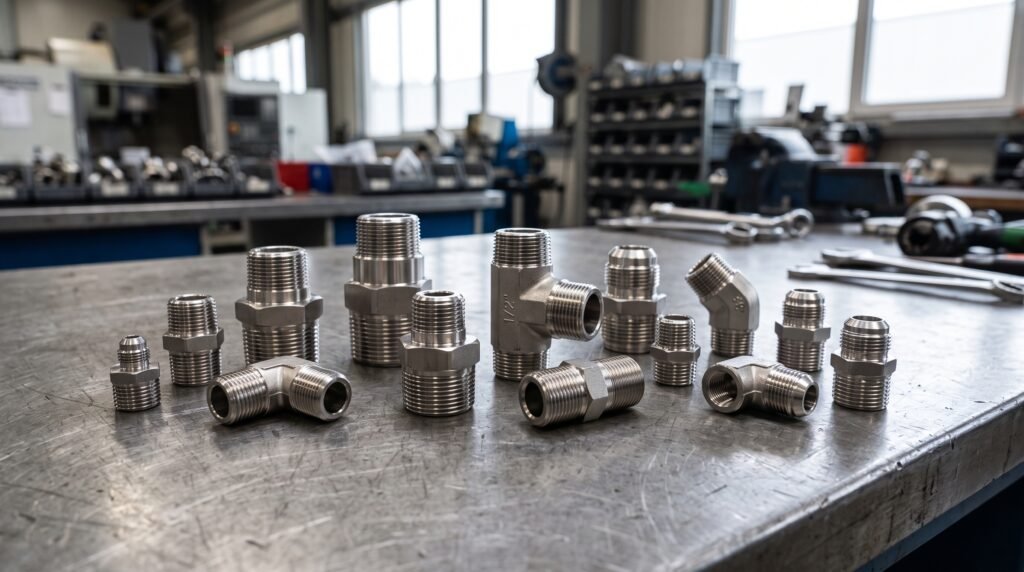
Can You Mix Brass and Stainless Steel Fittings? Compatibility, Corrosion Risks, and Best Practices

Can You Mix Brass and Stainless Steel Fittings? Compatibility, Corrosion Risks, and Best Practices

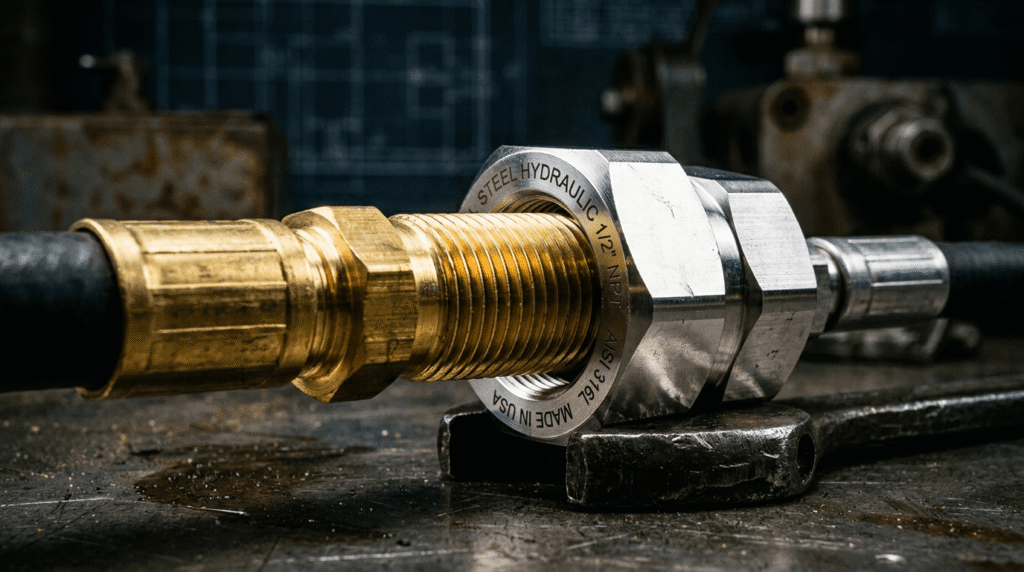
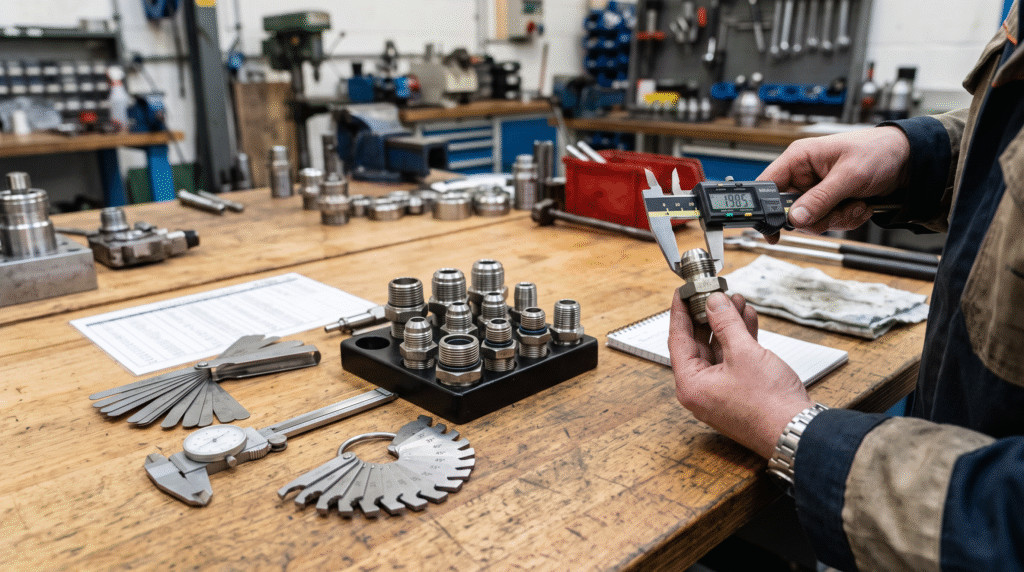
A common scenario in fluid system engineering involves upgrading or repairing an existing line: you have a brass component, but the replacement part available is stainless steel. The immediate question arises: Can you mix brass and stainless steel fittings? The short answer is mechanically, yes; but chemically, it depends entirely on the environment and the fluid being […]

Can You Mix Brass and Stainless Steel Fittings? Compatibility, Corrosion Risks, and Best Practices Read More »

Brass vs Stainless Steel Fittings: Differences in Strength, Corrosion, and Applications

Brass vs Stainless Steel Fittings: Differences in Strength, Corrosion, and Applications

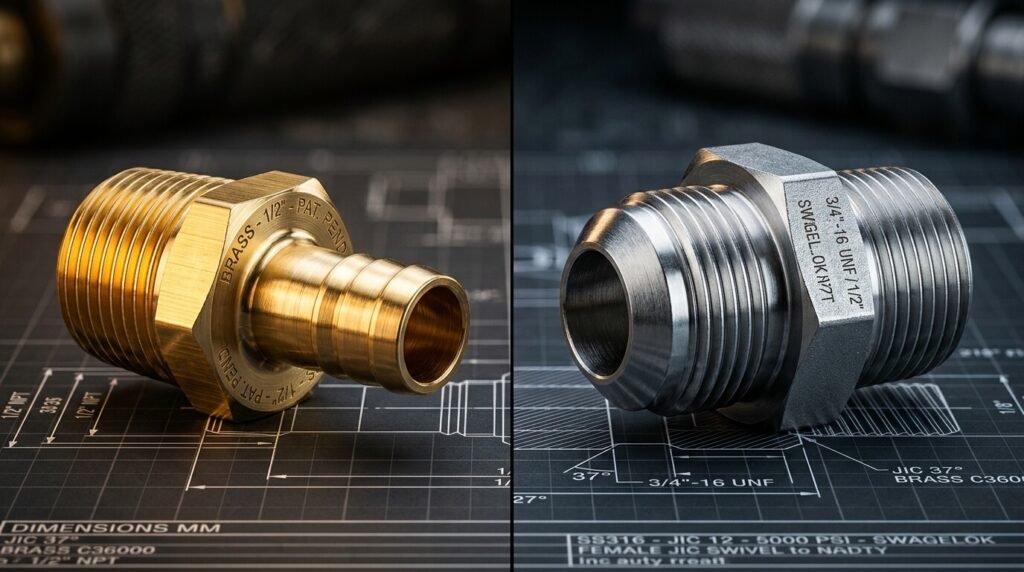
When engineering a fluid control system, deciding between brass vs stainless steel fittings is one of the most critical choices you will make. The decision directly impacts the system’s maximum pressure rating, leak prevention, longevity, and total project cost. For a quick answer: Brass fittings are highly machinable, cost-effective, and excellent for low-to-medium pressure applications involving water, air, and

Brass vs Stainless Steel Fittings: Differences in Strength, Corrosion, and Applications Read More »

304 vs 316 Stainless Steel Fittings: Differences, Applications, and Selection Guide

304 vs 316 Stainless Steel Fittings: Differences, Applications, and Selection Guide

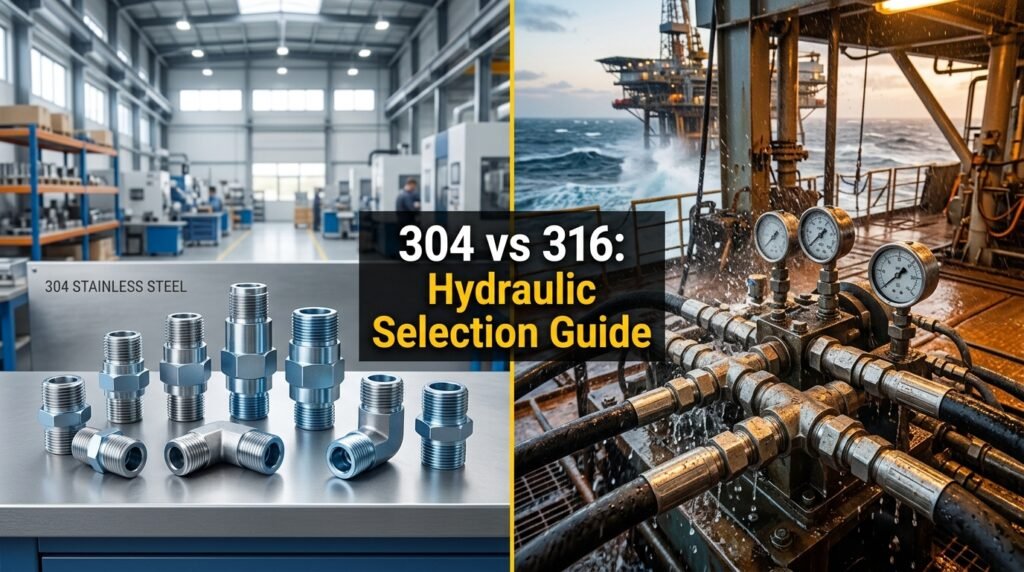
Choosing between 304 and 316 stainless steel fittings usually comes down to corrosion resistance, operating environment, and total cost. For standard indoor hydraulic systems, 304 stainless steel is often enough. For marine, chemical, offshore, or high-chloride environments, 316 stainless steel is usually the safer choice because it contains molybdenum, which improves resistance to pitting and

304 vs 316 Stainless Steel Fittings: Differences, Applications, and Selection Guide Read More »
Different sizes of CPVC pipes are standing vertically on the ground, some nested inside each other.

Can You Use Compression Fittings on CPVC? What You Need to Know

CPVC (Chlorinated Polyvinyl Chloride) is a popular choice for hot and cold water plumbing systems. But when it comes to repairs or system upgrades, many DIYers and professionals ask:Can you use compression fittings on CPVC? In this guide, we’ll explore the answer, dive into compatibility issues—especially with stainless steel hydraulic fittings—and provide safer alternatives. 🔧

Can You Use Compression Fittings on CPVC? What You Need to Know Read More »

A man is adjusting a propane system

Can Copper Compression Fittings Be Used with Propane? (And What to Use Instead)

Copper compression fittings are widely used in plumbing and HVAC systems for their convenience and leak-tight performance. But when it comes to propane gas, a high-pressure and flammable fuel, the stakes are higher.So, the key question is:Are copper compression fittings safe and compliant for propane use? This article breaks down whether copper compression fittings are

Can Copper Compression Fittings Be Used with Propane? (And What to Use Instead) Read More »

A braided hose with a ss compression fitting

How to Remove Hose from Compression Fitting: A Step-by-Step Guide

Compression fittings are commonly used in plumbing, gas lines, and hydraulic systems to create secure, leak-free connections without soldering. But when it comes time to disconnect or replace a hose, many people wonder:How do you remove a hose from a compression fitting without damaging the hose or the fitting? In this step-by-step guide, we’ll walk

How to Remove Hose from Compression Fitting: A Step-by-Step Guide Read More »

Shopping Cart
Scroll to Top