
Industrial procurement teams, equipment engineers and machinery maintenance teams regularly evaluate hydraulic hoses and fittings when assembling, repairing or upgrading hydraulic systems. Anyone requesting quotations quickly notices a broad spectrum of pricing across suppliers, even for products listed under seemingly identical specifications. Wide price variation creates confusion: buyers struggle to determine whether a low quotation represents genuine value, or signals compromised raw materials and inconsistent manufacturing standards.
Hydraulic hoses and fittings form the circulatory system of every hydraulic machine. Hoses transport pressurized hydraulic fluid across moving components, while fittings create leak-tight connections between hoses, pumps, valves and actuators. The pairing of suitable hoses and compatible fittings directly impacts system uptime, operational safety and long-term running costs. Many operators focus only on upfront purchase cost and overlook ongoing expenses generated by premature component failure, fluid leakage and unplanned equipment downtime.
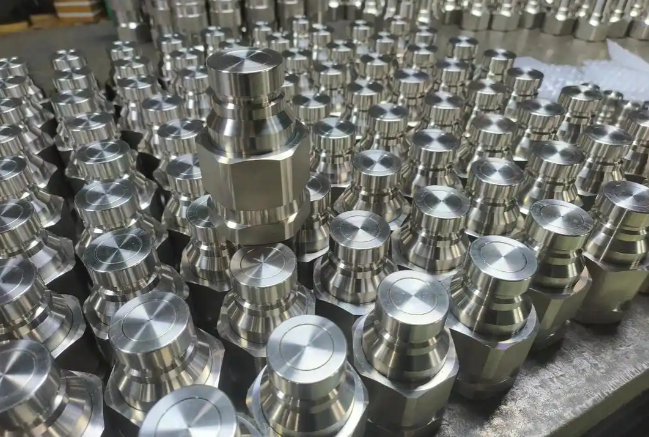
This article explores the current market landscape for hydraulic hoses and fittings, breaks down every major factor that shapes final pricing, and highlights the hidden costs associated with low-cost, substandard components. It also shares practical procurement guidance for international buyers sourcing stainless steel hydraulic fittings. As a professional hydraulic fitting manufacturer based in China, Kaitu Fitting focuses on the development and production of stainless steel hydraulic fittings. Operating as a direct factory, we eliminate intermediate distributors to maintain stable, competitive pricing for bulk global orders, while adhering to consistent production and inspection standards. By the end of this guide, readers will be equipped to evaluate quotations rationally and balance budget targets against long-term component reliability.
2026 Market Price Range of Hydraulic Hoses and Fittings
Global market pricing for hydraulic hoses and fittings continues to experience mild volatility driven by raw material cycles, international logistics expenses and evolving industry standard requirements. It is important to distinguish between retail unit pricing, small batch reseller pricing and factory-direct bulk wholesale pricing, as gaps between these tiers can be substantial.
Broadly speaking, available products fall into three recognizable market tiers. Budget-tier hydraulic hoses and fittings generally utilise carbon steel with basic surface treatment and low-grade rubber reinforcement materials. These products target light-duty intermittent equipment and carry the lowest entry price. Mid-range options adopt standard carbon steel or entry-level stainless steel materials, comply with widely recognised industry standards such as SAE, BSP and JIC, and serve most construction machinery, agricultural equipment and general industrial hydraulic systems. High-grade solutions include heavy-duty spiral hydraulic hoses and precision stainless steel hydraulic fittings designed for continuous high pressure, corrosive environments, marine applications and outdoor exposed installations. Unit costs rise considerably within this tier.
Stainless steel hydraulic fittings occupy a distinct segment within the broader category of hydraulic hoses and fittings. Compared with conventional carbon steel alternatives, stainless steel variants carry higher base production costs, yet deliver superior resistance to rust, chemical corrosion and humid working environments. Many buyers find stainless steel components deliver better total cost of ownership in harsh operating conditions.
Kaitu Fitting specialises exclusively in stainless steel hydraulic fittings. Our factory model allows us to offer factory-direct wholesale rates that narrow the typical price gap between carbon steel fittings and stainless steel alternatives. All our standard stainless steel fittings follow unified inspection procedures, and we provide clear specification documentation for all bulk inquiries. It is worth noting that all reference market prices in this article act as general guidance. Final quotations always depend on exact dimensions, thread standards, order volume and customisation requirements.
Top 6 Key Factors That Determine Hydraulic Hoses and Fittings Prices
Anyone comparing quotations for hydraulic hoses and fittings must understand the core variables that create price differences between suppliers. The table below summarises the six factors that most directly influence manufacturing expenditure and final selling price.
| # | Pricing Factor | How It Affects Cost | Typical Cost Impact | Kaitu Fitting Approach |
|---|---|---|---|---|
| 1 | Raw Material Quality | Inner tube rubber, wire reinforcement and outer cover determine hose durability. Fittings divide into carbon steel, 304 stainless steel and 316 stainless steel. Recycled or low-purity alloys lower cost but reduce mechanical stability and corrosion resistance. | Highest single cost component; material grade can shift unit price by 20–50%. | Sources certified stainless steel billets; material certificates available on request to verify composition consistency. |
| 2 | Pressure Grade & Specifications | Working pressure rating, nominal diameter, thread form and physical shape affect material usage and machining complexity. Low-pressure small straight fittings are cheapest; high-pressure large tees, elbows and flanged parts cost more. | Larger, higher-pressure parts use more material and longer machining cycles. | Produces stainless steel fittings rated to match mainstream hydraulic hose pressure classes; ensures fitting rating meets or exceeds matched hose assembly. |
| 3 | Production Standards & Compliance | Adherence to metric, BSPP, BSPT, JIC, NPT and SAE standards ensures interchangeability with global equipment. Full dimensional inspection, pressure testing and quality documentation raise operational cost. | Standard-compliant, tested parts cost more than untested non-standard alternatives. | Manufactures to mainstream international thread standards for seamless assembly with globally supplied hydraulic hoses. |
| 4 | Customisation Requirements | Non-standard lengths, special thread combinations, modified angles or unique surface treatments require dedicated tooling and separate production runs, extending lead times. | Custom orders carry tooling fees and higher unit overhead than mass-produced standard items. | Supports reasonable custom requests; clearly separates standard item pricing from customised component costs in every formal quotation. |
| 5 | Order Quantity & Procurement Channel | Multi-level distributors add successive markups. Factory-direct purchasing removes middle layers. Larger consistent orders allow manufacturers to optimise scheduling and offer tiered unit reductions. | Channel and volume together can create 15–40% price gaps for the same specification. | Applies transparent volume-based pricing as a direct manufacturer; no hidden handling fees on bulk orders. |
| 6 | Logistics, Packaging & After-Sales | Quotations may or may not include export-grade anti-rust packaging, inspection records, technical documentation and post-delivery support. Minimal-service suppliers list lower headline prices. | Seemingly similar unit prices can differ substantially once services are included. | Includes proper anti-rust packaging, inspection records and accessible technical support as standard for export orders. |
When matching hydraulic hoses and fittings, buyers must ensure the rated working pressure of the fitting meets or exceeds the maximum working pressure of the matched hose assembly. Mismatched pressure ratings are one common cause of connection failure. Where possible, procurement teams can control expenditure by prioritising standard part numbers and consolidating component models into larger bulk orders.
Hidden Cost Analysis: Why Cheap Hydraulic Hoses and Fittings Are Not Cost-Effective
Many procurement decisions prioritise the lowest upfront price when sourcing hydraulic hoses and fittings. This approach frequently underestimates indirect costs that emerge over the service life of components. Short-term savings can rapidly disappear when equipment reliability suffers.
Low-cost hydraulic hoses often suffer from accelerated outer layer cracking, inner tube degradation and wire reinforcement corrosion. Substandard fittings may experience thread deformation, sealing surface wear and gradual leakage under continuous pressure. Minor hydraulic fluid leaks waste oil and create slippery hazardous working surfaces. Severe failures such as sudden hose burst or fitting separation can force immediate machine shutdown, halting construction, manufacturing or agricultural operations. Project delays translate directly into lost productivity and missed client deadlines.
Maintenance expenditure represents another hidden burden. Inferior hydraulic components require far more frequent inspection and replacement. Each replacement consumes spare part stock and requires skilled labour hours to disassemble and rebuild hose assemblies. Over a single operating year, repeated replacement cycles can exceed the price difference between budget components and stable mid-tier products.
Safety risk is also a critical consideration. High-pressure hydraulic fluid escaping from failed hydraulic hoses and fittings can penetrate skin and cause serious injury. Workplace incidents may lead to operational shutdowns, official inspections and liability costs.
Stainless steel hydraulic fittings mitigate many of these risks in corrosive environments. Although initial expenditure is higher than basic carbon steel alternatives, they resist surface rust that damages sealing surfaces. Buyers operating equipment in coastal, irrigation or chemical exposure zones often see extended service intervals. Kaitu Fitting designs stainless steel fittings for consistent sealing performance under cyclic pressure changes. Our clients frequently report longer service cycles compared to low-grade imported alternatives when operating in high-humidity locations. The key takeaway is simple: total cost of ownership, not sticker price, should guide long-term procurement strategies for hydraulic hoses and fittings.
How to Get the Best Price for Hydraulic Hoses and Fittings? B2B Procurement Tips
Structured procurement practices help buyers secure fair pricing for hydraulic hoses and fittings without compromising essential quality requirements. The following practical steps apply to wholesalers, equipment workshops and large end-user operators.
First, establish direct communication with qualified manufacturers. Sourcing factory direct cuts out distributor margins. When evaluating manufacturers, confirm production capacity, available standard specifications and testing capabilities. For buyers prioritising corrosion resistance, target factories specialised in stainless steel hydraulic fittings rather than generalised suppliers offering mixed product ranges.
Second, standardise part specifications wherever feasible. Consolidating component models enables larger bulk orders and avoids repeated custom tooling fees. Prepare clear documentation including thread type, working pressure, connection angle and medium compatibility when sending inquiries. Clear specifications reduce quotation errors and speed up order processing for hydraulic hoses and fittings.
Third, compare quotations comprehensively instead of only scanning unit prices. Check raw material grade, testing standards, packaging terms, lead time and warranty terms. Two quotations with similar unit prices can represent vastly different long-term value. Request material test certificates if operating equipment in demanding environments.
Fourth, explore long-term supply arrangements. Consistent repeat orders allow manufacturers to stabilise production schedules and offer preferential pricing conditions. Long-term partnerships also tend to receive priority scheduling during periods of high global industrial demand.
As a China-based stainless steel hydraulic fitting factory, Kaitu Fitting supports international buyers throughout the quotation and ordering process. We provide clear itemised quotations, offer sample orders for performance verification before large commitments, and maintain flexible bulk pricing frameworks. Our technical team can also offer guidance on matching compatible hydraulic hose assemblies with our stainless steel fitting range to help customers avoid specification mismatches.
FAQ About Hydraulic Hoses and Fittings Prices
Q1: Does a higher price always guarantee better hydraulic hoses and fittings? A: Higher pricing does not automatically equal better performance. Some suppliers add large markups for branding. Buyers should verify material grades, manufacturing standards and test records instead of relying purely on price. Well-engineered factory-direct stainless steel fittings can deliver strong performance at moderate price levels.
Q2: How much cost reduction can buyers expect from bulk factory orders? A: Discount levels depend on order volume, part types and order frequency. Standard stainless steel hydraulic fittings typically show more noticeable unit price reductions at higher volumes compared to small custom batches. Contact manufacturers to receive tiered pricing sheets.
Q3: Do stainless steel hydraulic fittings significantly increase overall system costs? A: Upfront costs are higher than standard carbon steel. However, in humid, marine or mildly corrosive environments, extended service life reduces repeated replacement costs. Many operators achieve balanced total expenditure over multiple years.
Q4: What common mistakes cause unexpected extra costs when ordering hydraulic hoses and fittings? A: The most frequent errors include incorrect thread specification selection, mismatched pressure ratings between hoses and fittings, neglecting environmental corrosion factors and unclear shipping terms in initial quotations.
Conclusion
Pricing for hydraulic hoses and fittings depends on an interconnected set of factors: raw material selection, dimensional specifications, industry compliance, customisation, order volume and included service terms. Focusing exclusively on the lowest immediate unit price often creates substantial hidden costs through premature component failure, downtime and maintenance work. Selecting components that match working pressure, ambient conditions and fluid requirements creates balanced long-term value.
For operations facing rust and corrosion challenges, stainless steel hydraulic fittings represent a practical solution. Kaitu Fitting operates as a dedicated stainless steel hydraulic fitting manufacturer in China. Our factory-direct model keeps pricing competitive while maintaining consistent production standards across our full product range.
If you are sourcing reliable stainless steel hydraulic fittings to pair with your hydraulic hoses and fittings assemblies, reach out to our team to receive a detailed, transparent quotation. We can supply product specifications, arrange sample provision and discuss flexible bulk order terms to support your global hydraulic system supply requirements.