
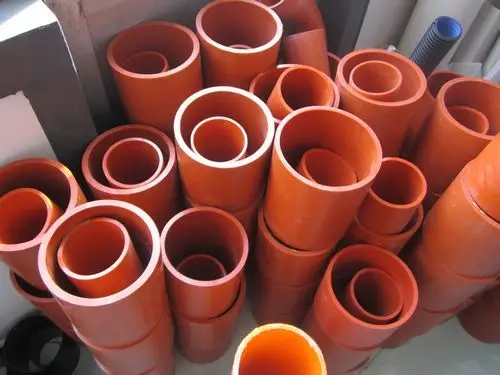
CPVC (Chlorinated Polyvinyl Chloride) is a popular choice for hot and cold water plumbing systems. But when it comes to repairs or system upgrades, many DIYers and professionals ask:
Can you use compression fittings on CPVC?
In this guide, we’ll explore the answer, dive into compatibility issues—especially with stainless steel hydraulic fittings—and provide safer alternatives.
🔧 What Are Compression Fittings?
Compression fittings join pipes using mechanical pressure. They’re composed of:
- A compression nut
- A compression ring (ferrule)
- A fitting body
Tightening the nut compresses the ferrule, creating a leak-resistant seal—typically without adhesives or heat.
✅ Can You Use Compression Fittings on CPVC?
Yes—with limitations. While compression fittings can technically be used on CPVC, only those specifically rated for CPVC are suitable.
✅ When It’s Possible:
- Some brass or plastic compression fittings are manufactured for CPVC.
- These are designed to accommodate CPVC’s brittle nature with softer compression rings and lower torque requirements.
- Always check the label or technical datasheet for CPVC compatibility.
❌ When to Avoid:
- Standard metal compression fittings, especially those with metal ferrules, can crack or stress CPVC pipe.
- Overtightening or vibration can lead to long-term failure.
⚠️ Compatibility Analysis: Stainless Steel Hydraulic Fittings vs. CPVC Pipes
Stainless steel hydraulic compression fittings are commonly used in high-pressure industrial applications with metal tubing (like stainless, copper, or steel). But using them on CPVC comes with serious drawbacks:
| Factor | Stainless Steel Fittings | CPVC Pipe Compatibility |
|---|---|---|
| Ferrule Material | Hard stainless steel | Too rigid for CPVC walls |
| Torque Requirement | High torque for sealing | Excessive for brittle CPVC |
| Sealing Mechanism | Metal-to-metal bite | Can crush or split CPVC |
| Pressure Rating | Very high (hydraulic) | Often exceeds CPVC limits |
| Thermal Expansion | Low (metal) | CPVC expands more with heat |
Result:
🚫 Not recommended. Stainless steel hydraulic fittings are incompatible with CPVC piping due to material hardness, sealing force, and thermal mismatch. Attempting to use them may result in cracks, leaks, or pipe failure.
🔄 Safer Alternatives for CPVC Connections
🧪 Solvent Cement Welding
- The industry standard for CPVC
- Creates a chemical bond
- Requires CPVC primer + cement
🔧 Mechanical Couplings
- Feature rubber gaskets and low-stress seals
- Designed for plastic pipe compatibility
🚰 Push-to-Connect Fittings (e.g., SharkBite)
- Easy DIY solution
- Compatible with CPVC, copper, and PEX
- Certified for potable water use
💡 Tip: Always use components labeled and certified for CPVC, such as NSF 14 or UPC-approved fittings.
🔎 Summary: Can You Use Compression Fittings on CPVC?
| Question | Answer |
|---|---|
| Are standard compression fittings safe for CPVC? | ❌ No |
| Are CPVC-rated compression fittings available? | ✅ Yes |
| Can you use stainless steel hydraulic fittings on CPVC? | 🚫 Not recommended |
| Best connection method? | ✅ Solvent weld or certified push fittings |
📌 Final Thoughts
Using the wrong fitting type can lead to costly leaks or system failure. While compression fittings rated for CPVC do exist, standard metal fittings—especially stainless steel hydraulic types—should never be used with plastic piping.
💼 For professional solutions, contact our engineers.
As a stainless steel pipe fittings manufacturer, we offer tailored, code-compliant solutions for plumbing, propane, and fluid systems. Whether you need custom fittings, CPVC-compatible parts, or expert guidance—we’re here to help.