Buying Guides

Moving from specification to selection, this column is your strategic partner in the procurement process. We provide structured, step-by-step frameworks to help you navigate the critical questions: Which fitting type is optimal for your system’s pressure and media? How do you evaluate cost versus lifecycle value? What certifications are essential for your industry? Our guides compare products from leading manufacturers, analyze total cost of ownership, and offer practical tips for supplier vetting and quality assurance, empowering you to make cost-effective and reliable purchasing decisions.

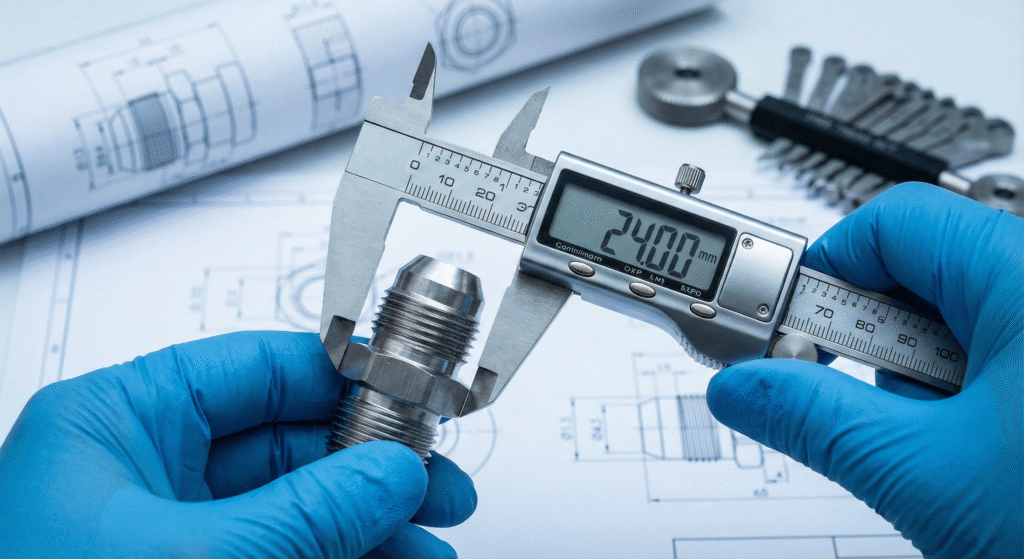
Importing Hydraulic Adapters from China: A Quality Control Checklist

Importing Hydraulic Adapters from China: A Quality Control Checklist

TL;DR: Importing hydraulic adapters from China involves hidden quality risks such as material substitution, thread mismatch, and unstable machining tolerances. A structured QC checklist—from supplier audits to pre-shipment inspections—helps catch these issues before shipment, reducing rework, warranty claims, and field failures. Understanding Hydraulic Adapters and Import Risks What are hydraulic adapters and their common applications? Hydraulic […]

Importing Hydraulic Adapters from China: A Quality Control Checklist Read More »
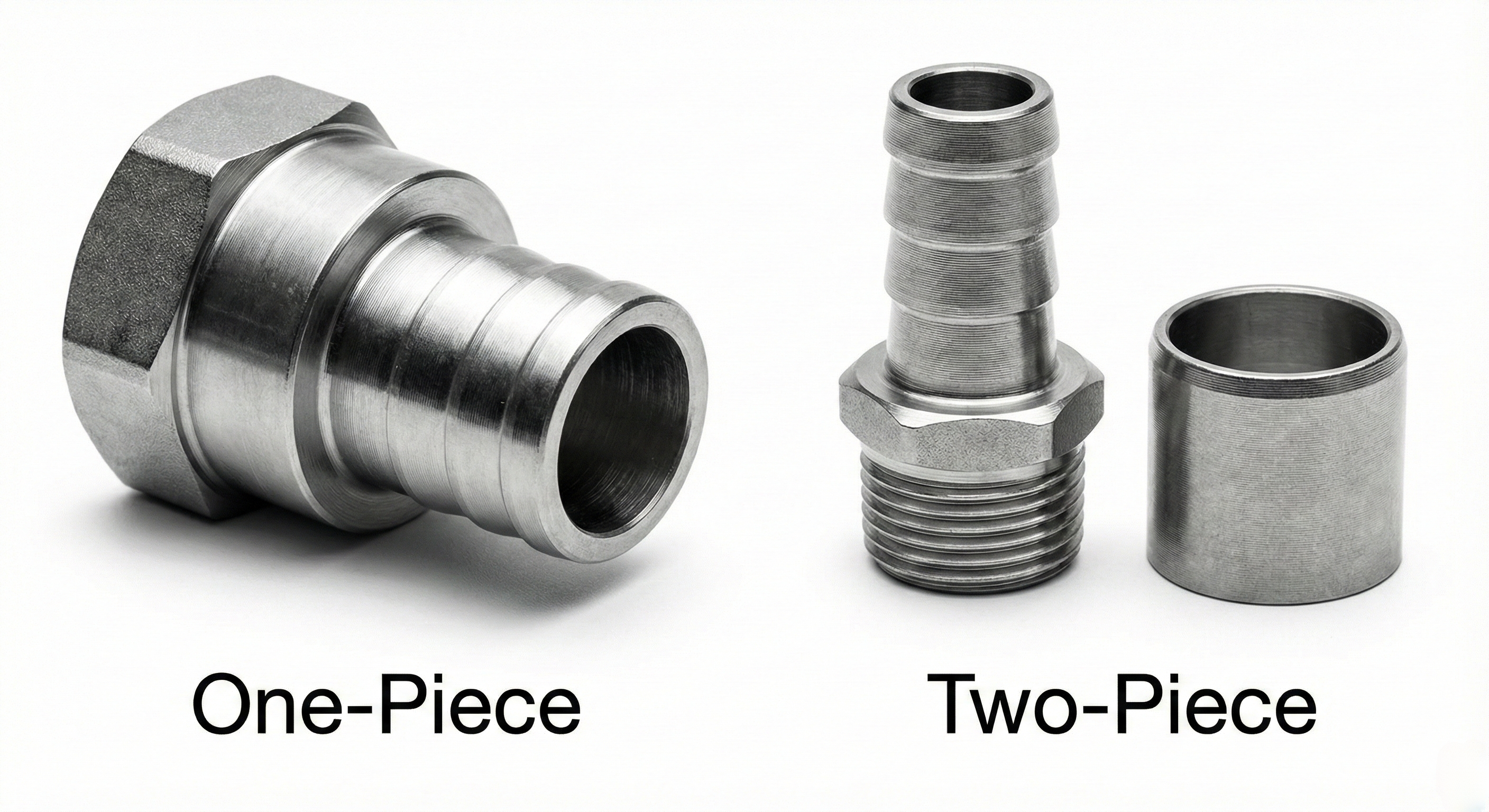
One-Piece vs. Two-Piece Hydraulic Fittings: Cost & Durability Analysis

One-Piece vs. Two-Piece Hydraulic Fittings: Cost & Durability Analysis

TL;DR: One-piece hydraulic fittings (integrated ferrule) generally offer higher durability, consistent crimping, and lower leak risks, making them ideal for OEM and high-vibration applications. Two-piece fittings (separate ferrule and insert) provide lower upfront costs and greater inventory flexibility for maintenance and repair (MRO) scenarios. The right choice depends on your priority: long-term reliability vs. inventory versatility. One-Piece vs. Two-Piece Hydraulic Fittings: What’s

One-Piece vs. Two-Piece Hydraulic Fittings: Cost & Durability Analysis Read More »

Why stainless steel hydraulic fittings excel in high-pressure systems

Why stainless steel hydraulic fittings excel in high-pressure systems

When you have high-pressure hydraulic problems, stainless steel hydraulic fittings are the best choice. They give you great strength and do not break easily. These fittings can handle up to 10,000 psi. Brass fittings cannot take as much pressure and may wear out faster. Stainless steel lasts for many years and does not bend out

Why stainless steel hydraulic fittings excel in high-pressure systems Read More »

Connecting the Unconnectable: A Guide to Hydraulic Adapters and Thread Conversions

Connecting the Unconnectable: A Guide to Hydraulic Adapters and Thread Conversions

You might have trouble joining hydraulic parts with different threads and sizes. Hydraulic Adapters help you fix this by making a safe connection between parts with different thread types. Many hydraulic systems use tapered pipe threads, flared seat threads, and O-ring seal threads. Most systems today use both imperial and metric threads. This is because

Connecting the Unconnectable: A Guide to Hydraulic Adapters and Thread Conversions Read More »

Choosing the Right Hydraulic Fittings: BSP, NPT, Metric or DIN

Choosing the Right Hydraulic Fittings: BSP, NPT, Metric or DIN

Selecting the right hydraulic fittings standard—BSP, NPT, Metric, or DIN—depends on several important factors. You need to consider thread type, sealing method, pressure rating, and material. It’s also essential to comply with regulations specific to your area or industry. These considerations are crucial because using hydraulic fittings that don’t match can lead to serious issues,

Choosing the Right Hydraulic Fittings: BSP, NPT, Metric or DIN Read More »

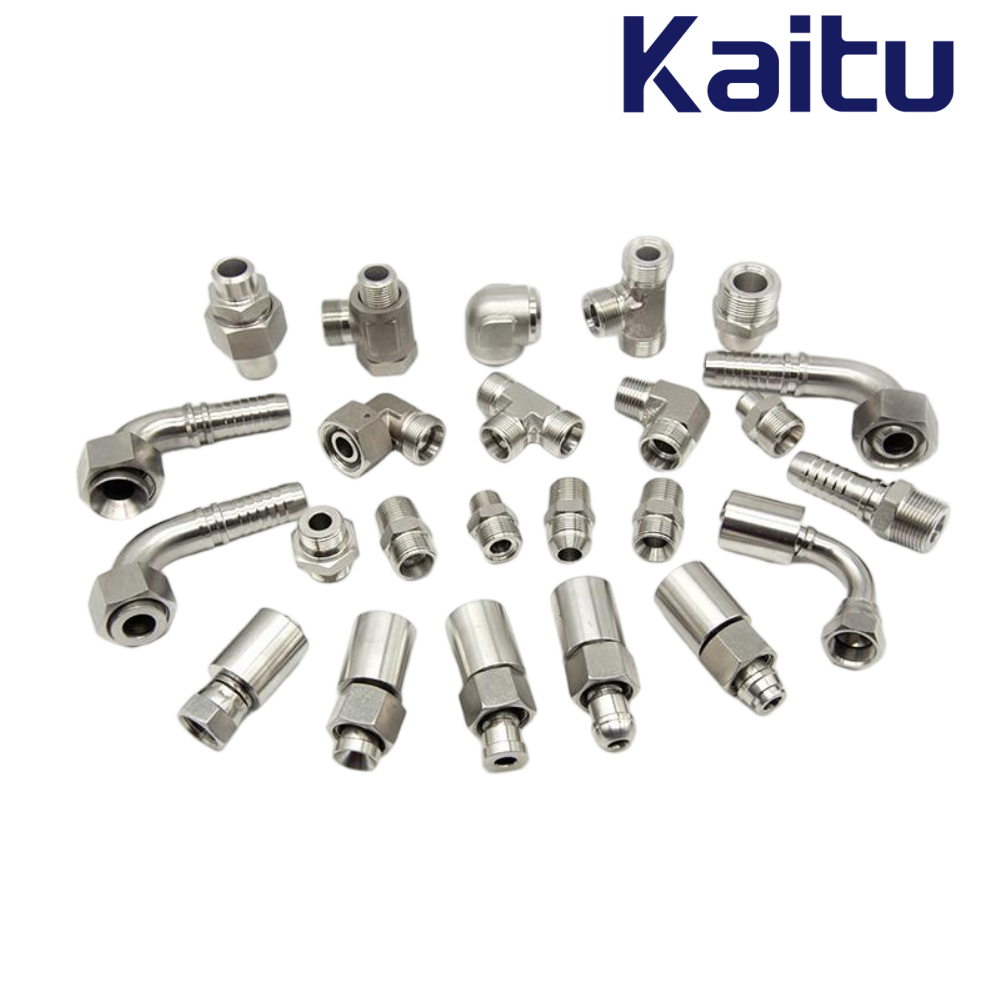
A pile of stainless steel hydraulic fittings

What Are Stainless Steel Pipe Fittings and Where Are They Used

You use stainless steel pipe fittings to join pipes and tubes. This helps fluids or gases move safely and easily. Stainless steel fittings are strong and do not rust. This means systems last longer and have fewer problems. The global market for stainless steel fittings was about USD 1,323 million in 2023. It keeps growing as

What Are Stainless Steel Pipe Fittings and Where Are They Used Read More »

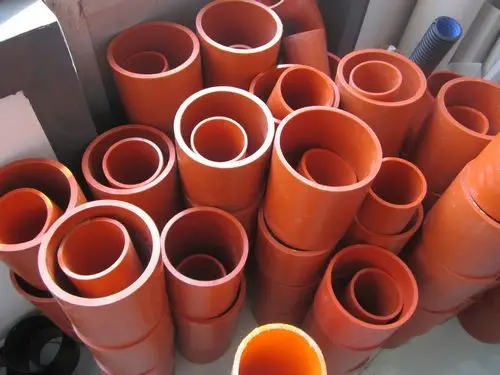
Different sizes of CPVC pipes are standing vertically on the ground, some nested inside each other.

Can You Use Compression Fittings on CPVC? What You Need to Know

CPVC (Chlorinated Polyvinyl Chloride) is a popular choice for hot and cold water plumbing systems. But when it comes to repairs or system upgrades, many DIYers and professionals ask:Can you use compression fittings on CPVC? In this guide, we’ll explore the answer, dive into compatibility issues—especially with stainless steel hydraulic fittings—and provide safer alternatives. What

Can You Use Compression Fittings on CPVC? What You Need to Know Read More »

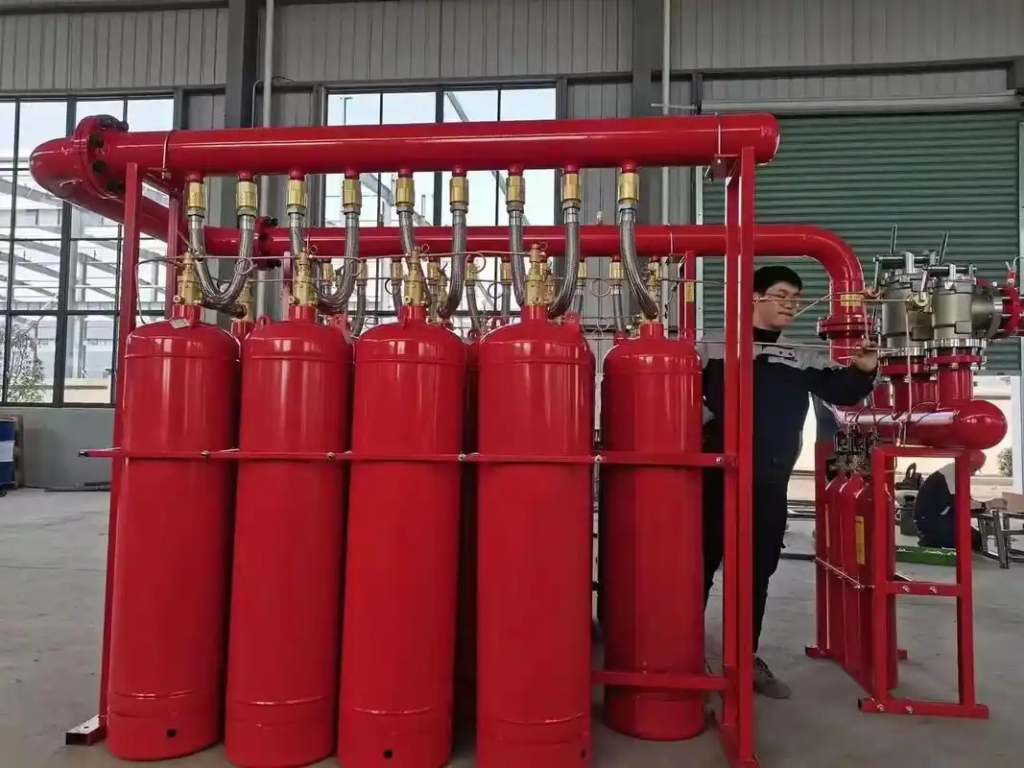
A man is adjusting a propane system

Can Copper Compression Fittings Be Used with Propane? (And What to Use Instead)

When working with propane (LPG) systems, choosing the right fittings is critical for safety and compliance. A common question is: Can copper compression fittings be used with propane? The short answer is no, and here’s why—along with safer alternatives and key regulations. What Are Copper Compression Fittings? Copper compression fittings are widely used in plumbing and refrigeration systems

Can Copper Compression Fittings Be Used with Propane? (And What to Use Instead) Read More »

Shopping Cart