
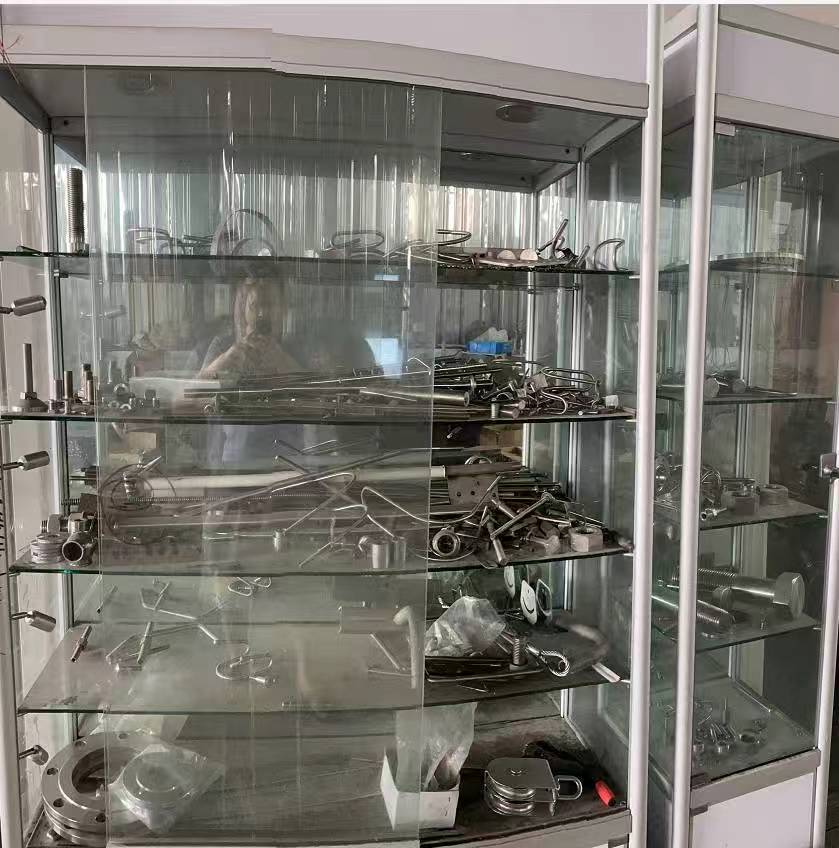
When you have high-pressure hydraulic problems, stainless steel hydraulic fittings are the best choice. They give you great strength and do not break easily. These fittings can handle up to 10,000 psi. Brass fittings cannot take as much pressure and may wear out faster. Stainless steel lasts for many years and does not bend out of shape. Kaitu Fitting has been a trusted company since 2003. They make strong fittings for industries that need the best every day.
Key Takeaways
- Stainless steel hydraulic fittings are very strong and tough. They work well in high-pressure systems up to 10,000 psi. These fittings do not rust easily. This helps them last a long time in tough places like marine and chemical areas. You should check and install stainless steel fittings the right way. This can stop leaks and help your hydraulic system last longer. Picking one-piece or swaged fittings helps stop leaks. It also makes installation easier and faster. This lowers mistakes. Stainless steel fittings may cost more at first. But they save money on repairs and downtime over time.
Stainless steel hydraulic fittings advantages
Corrosion resistance
Hydraulic fittings must work well in tough places. Stainless steel hydraulic fittings protect against rust and corrosion. This is helpful in places with water, chemicals, or salt. Chromium in the steel helps stop moisture and chemicals. It makes a thin layer that keeps the steel safe.
Here is a table that shows how stainless steel grades work in hard places:
| Environment Type | Stainless Steel Grades | Key Properties and Applications |
|---|---|---|
| Marine | 316, 316L | Stops pitting and crevice corrosion; used in boats and pipes underwater. |
| Chemical | 304, 316, 904L | Handles many chemicals; used in tanks and reactors; high-alloy grades for tough jobs. |
| Industrial | 310, 321 | Handles high heat and pressure; used in furnace parts and heat exchangers. |
Stainless steel fittings last longer than carbon steel or brass in saltwater and chemical tests. Carbon steel rusts faster than stainless steel. Brass can get weak in saltwater. Stainless steel hydraulic fittings help your system stay safe and work well.
Strength and durability
Fittings should not break or wear out fast. Stainless steel hydraulic fittings are strong and last a long time. They work well in high-pressure and high-temperature places. Brass fittings cost less but do not work as well in hard jobs. Stainless steel fittings stay strong even when things get tough.
Kaitu Fitting checks every fitting to meet strict rules. The company has ISO 9001 and IATF 16949 certifications. These show Kaitu Fitting cares about quality and safety. Here is a table that explains these certifications:
| Certification | Purpose |
|---|---|
| ISO 9001 | Makes sure the company has good quality systems. |
| IATF 16949 | Focuses on quality for car and truck parts. |
| Compliance | Follows global standards for fittings. |
Kaitu Fitting checks each part many times before shipping. This helps you get fittings that work right the first time.
Pressure and temperature tolerance
Fittings must handle high pressure and big temperature changes. Stainless steel hydraulic fittings do this well. They work in places with pressure up to 10,000 psi. Some special fittings, like Seal-Lok Xtreme, work in temperatures from -328°F to 1200°F and pressures up to 6,000 psi. These fittings keep working when others stop.
- The highest working pressure for Class 150 cast stainless steel fittings depends on temperature.
- When the temperature goes down, the pressure rating goes up.
- These ratings follow MSS-SP-114 and ISO 4144 standards.
Kaitu Fitting makes sure its products meet or beat global standards like DIN, ISO, SAE, JIS, and BSP. The company uses strong materials, checks every batch, and tests each fitting. This helps you feel sure about your job.
Tip: Many industries use stainless steel hydraulic fittings. Earth-moving machines, ships, and food factories use them because they last and keep systems safe.
Leak prevention and system safety
Secure connections
You want your hydraulic system to be safe and not leak. Stainless steel hydraulic fittings help with this. They are made strong and built carefully. This helps stop leaks and keeps things working right. The table below shows how different design features help prevent leaks:
| Design Feature | Description and Leak Prevention Role |
|---|---|
| Robust Construction | Strong materials and solid build help stop leaks and breaks. |
| Enhanced Sealing | Double ferrule compression fittings, O-rings, and metal-to-metal seals keep things tight under high pressure. |
| Precision Machining | Careful making means parts fit well and do not leak. |
| Tapered Threading | Threads squeeze together when tightened, making a tight fit that stops leaks. |
| Reinforced Connections | Thicker walls or bigger nuts make the fitting stronger. |
| Material Selection | Stainless steel is strong and does not rust, so it stays safe under pressure. |
| Compliance and Testing | Following rules and testing fittings makes sure they work and do not leak. |
Kaitu Fitting gives extra safety with swaged and one-piece fittings. Swaged fittings use a special squeeze to make a tight, lasting hold. One-piece fittings have the ferrule and connector together. This means fewer parts and less chance for leaks. The table below shows how one-piece fittings and multi-piece fittings are different:
| Fitting Type | Leak Resistance Features |
|---|---|
| One-Piece Fittings | One-piece fittings are better at stopping leaks because they are made in one piece. |
| Multi-Piece Fittings | Multi-piece fittings can leak more if not put together right because they have more parts. |
Tip: Pick one-piece or swaged fittings from Kaitu Fitting for the best leak protection in high-pressure systems.
Long-term performance
You want your hydraulic system to last a long time. Stainless steel hydraulic fittings can work for years if you care for them. How long they last depends on a few things, shown in the table below:
| Factor | Description |
|---|---|
| Material and sizing | Fittings must match the pipe size and thickness and follow the rules. |
| Type and quality of O-rings | Use O-rings made of EPDM or FKM to stop rust and damage. |
| Installation method and tools | Putting fittings in the right way with good tools makes them safe. |
| Operating conditions and environment | Use fittings in the right pressure and temperature and keep them safe from harm. |
| Maintenance and inspection | Checking and fixing fittings often keeps them working well. |
To keep your system working well, do these things:
- Check hoses and fittings often for cracks, leaks, or rust.
- Put in fittings the right way and use the right amount of force.
- Do not go over the highest pressure allowed.
- Keep the system clean and free from dirt.
- Check fluid levels and make sure the fluid is good.
Doing regular checks helps you find problems early and saves money on repairs. Kaitu Fitting gives you good products and advice, so your system stays safe and strong for a long time.
Practical benefits
Easy installation
You can install stainless steel hydraulic fittings quickly and easily with the right tools and steps. Start by cutting the hose to the correct length using a hose cutter. Clean the hose end to remove dirt and debris. Insert the fitting into the hose and make sure it sits straight. Use a crimping tool to secure the fitting. Apply even pressure so you do not damage the hose or fitting. Inspect the connection for leaks and check that the fitting is seated properly.
Here are some tools that help you during installation:
- Wrenches help you tighten fittings without causing damage.
- Pliers give you a strong grip on components.
- Hydraulic hose cutters make clean cuts for a tight seal.
- Torque wrenches let you apply the right amount of force.
- Thread sealant or tape helps prevent leaks.
Kaitu Fitting designs one-piece fittings that make installation easier. You spend less time assembling parts and reduce the risk of mistakes. You get a secure connection that lasts.
Tip: Follow each step carefully and use the right tools to keep your system safe and leak-free.
Maintenance and value
You save time and money when you choose stainless steel hydraulic fittings. These fittings need less maintenance than standard options. You should inspect them regularly for damage or leaks. Track the lifecycle of each hose to know when to check or replace it. Test the system to make sure it works well under pressure. Replace fittings at set intervals to avoid breakdowns.
| Factor | Stainless Steel Fitting | Standard Fitting |
|---|---|---|
| Initial Purchase Price | $45 | $30 |
| Maintenance Savings | $200 | N/A |
| Downtime Value | $1,500 | N/A |
| Service Life | 7 years | 4 years |
| Total Lifecycle Cost | 20% lower | N/A |
Kaitu Fitting offers rapid shipping, with most orders arriving in 4-8 weeks. This includes production, quality checks, and delivery. You can also request custom solutions for special sizes or threads. Expert support helps you pick the best fittings for your needs.
- Custom fittings match unique sizes, threads, or materials.
- Expert assistance guides you to the right product.
You get value for your money with longer service life, less downtime, and lower total costs. Kaitu Fitting tracks product performance and helps you keep your system running smoothly.
Applications
Industrial uses
You see stainless steel hydraulic fittings in many industries because they work well in tough places. These fittings handle high pressure and last a long time. You find them in:
- Marine industry: Ships, oil rigs, and ports use them because they do not rust easily.
- Food processing: Pumps, valves, and tanks need strong and clean fittings.
- Pharmaceutical industry: Reactors and filters need fittings that stay pure and resist chemicals.
- Construction: Heavy machines like excavators and cranes use them for their strength.
Here is a table that shows why these fittings are a smart choice for heavy equipment and manufacturing:
| Performance Benefit | Description |
|---|---|
| Durability | They last a long time, even in hard jobs. |
| Corrosion Resistance | They do not rust, even in oil and gas fields. |
| Reliability | They keep systems leak-free under high pressure and heat. |
| High Strength-to-Weight | They are strong but not too heavy. |
| Easy Maintenance | You can clean them easily and keep systems safe. |
Kaitu Fitting can make special fittings for your unique needs. You get the right size, thread, or material for your job.
Automotive and aerospace
You need safe and reliable parts in cars, trucks, and airplanes. Stainless steel hydraulic fittings give you that safety. They handle high pressure and do not break under stress. You can trust them in places with strong vibrations and big temperature changes.
| Property | Benefit |
|---|---|
| Corrosion Resistance | They last longer in harsh places. |
| High Strength | They do not fail under high pressure or heat. |
| Low Maintenance | You spend less time and money fixing them. |
- These fittings do not crack or bend, even when things shake or get hot.
- You see fewer leaks and breakdowns, so your system stays safe.
Kaitu Fitting meets strict standards for cars and planes. You get fittings that pass tests for pressure, weight, and size.
Food and sanitary
You must keep food and medicine clean and safe. Stainless steel hydraulic fittings help you do this. They have smooth surfaces that stop germs from hiding. You can clean them easily, and they do not rust from strong cleaning chemicals.
- These fittings resist pitting and cracking from acids.
- Their smooth finish makes cleaning fast and easy.
- They meet FDA and USDA rules for food and medicine safety.
- You can use them in pumps, tanks, and pipes for food and drugs.
Kaitu Fitting offers fittings with special finishes and sizes for your sanitary needs. You get products that keep your process safe and clean.
You want your hydraulic system to work well for a long time. Stainless steel hydraulic fittings make strong and safe connections. They help in high-pressure jobs. Experts say you should think about some important things before picking a fitting:
| Key Consideration | Description |
|---|---|
| Corrosion Resistance | Stainless steel does not rust and lasts longer in tough places. |
| Surface Finish | Smooth surfaces help stop leaks and keep things clean. |
| Selection Criteria | Choose the right grade and design for your job. |
Kaitu Fitting gives you certified products and expert help. Pick the best fittings for your project. This helps your system stay safe and work well.
FAQ
What makes stainless steel hydraulic fittings better for high-pressure systems?
Stainless steel fittings give you strong connections. You get better resistance to rust and damage. These fittings last longer and keep your system safe under high pressure.
How do I know which fitting size to choose?
You should check your hose size and thread type. Kaitu Fitting offers a sizing chart. You can ask their experts for help if you are unsure.
Tip: Always match the fitting size to your hose for a leak-free system.
Can I use stainless steel fittings in food or medical equipment?
Yes, you can use stainless steel fittings in food and medical equipment. These fittings have smooth surfaces. You can clean them easily. They meet safety standards for sanitary use.
How often should I inspect my hydraulic fittings?
You should inspect your fittings every month. Look for leaks, cracks, or rust. Regular checks help you catch problems early and keep your system working well.
| Inspection Step | What to Check |
|---|---|
| Visual Check | Cracks, leaks, rust |
| Tightness | Secure connections |
| Cleanliness | Dirt or buildup |