
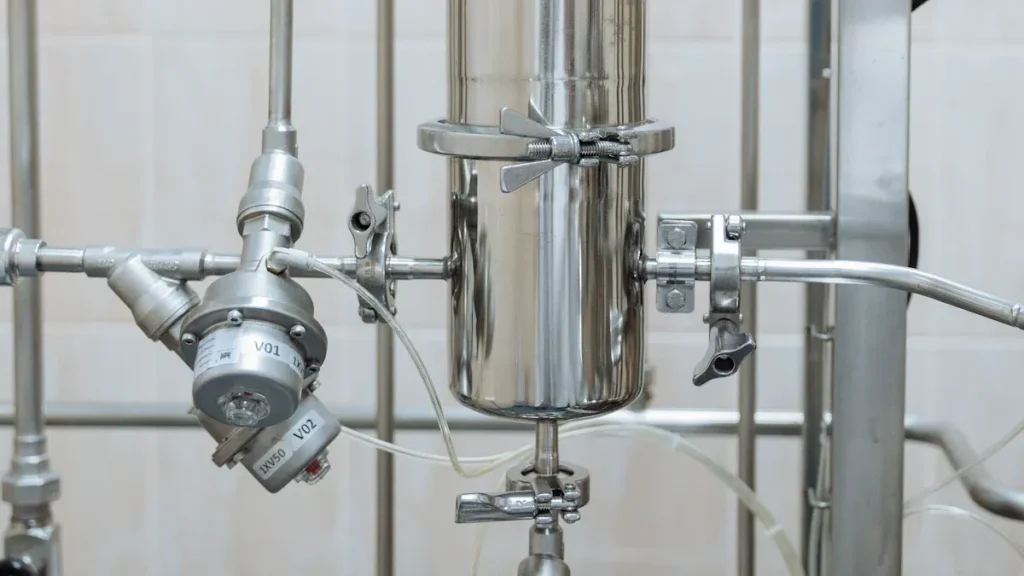
For most uses, 316/L stainless steel flanged fittings, specifically weld neck types, are very strong and resist rust well. They work effectively in tough environments with water or chemicals. The best stainless steel flanged fittings depend on your system’s pressure, temperature, and the fluid you use. How the fitting is made, whether by forging or casting, also influences its performance. If you need fittings for marine or chemical areas, 316/L stainless steel flanged fittings provide enhanced protection. Always consider your budget and requirements before making a choice.
Stainless steel flanged fittings comparison
Fitting types vs. key criteria
When picking stainless steel flanged fittings, you should check some main things. These include how the flange connects, how much pressure it can take, and what rules it follows. The table below lists the main things to look at:
| Key Criteria | Description |
|---|---|
| Flange Type | How it connects, how to fix it, and if it lines up right |
| Pipe Schedule | Matches pipe wall thickness and inside size |
| Material Grade | 304 is for most jobs; 316 is for tough or clean places |
| Facing Type | Works with gasket material and holds in pressure |
| Pressure Class | Handles system pressure and temperature |
| Standards Compliance | Follows ANSI, ASME, or DIN rules |
You also need to think about how each fitting type works in different situations. Weld neck flanges are best for high-pressure jobs. They can take up to 5,000 psi and keep the pipe tight. Slip-on and threaded flanges are easier to put in but may not work as well with very high pressure or heat. Blind flanges close off pipe ends and help stop leaks.
Tip: For very hot or very cold systems, stainless steel flanged fittings are stronger and last longer than carbon steel.
Grades vs. performance factors
The grade of stainless steel changes how well your fittings work. The table below shows how 304 and 316 grades compare:
| Property | 304 Stainless Steel | 316 Stainless Steel |
|---|---|---|
| Corrosion Resistance | Okay | Great |
| Tensile Strength | Okay | High |
| Hardness | Okay | High |
| Flexibility | High | Lower |
316 stainless steel flanged fittings fight rust better, especially in chemical or sea water places. They are also stronger and harder. You can use 304 for most jobs, but 316 is better if you need more protection.
Other things like bolt tightness, gasket type, and flange strength are important too. These help keep the seal tight and stop leaks. If your system has changing pressure or temperature, you need fittings that stay strong and keep the seal tight.
Types of flanged fittings
Weld neck: Applications, pros & cons
Weld neck flanges are used in places with high pressure and heat. You see them in oil, gas, and power plants. These flanges have a long neck that gets welded to the pipe. This makes the connection strong and less likely to break.
Pros:
- Very strong and stops leaks well
- Works great when pressure changes a lot
- Stays lined up and needs less fixing
Cons:
- Needs a skilled person to weld it
- Costs more and takes up more room
Note: Weld neck flanges are used in oil, gas, and power plants. They are good for tough jobs.
Slip-on: Applications, pros & cons
Slip-on flanges slide over the pipe and get welded on. You find them in water plants, HVAC, and factories. They are easy to put in and cost less than weld neck flanges.
Pros:
- Fast and easy to put in place
- Cheaper and can fix small pipe mistakes
Cons:
- Not good for very high pressure or heat
- Sometimes needs two welds to be safe
Tip: Pick slip-on flanges for low-pressure jobs where saving money and time is important.
Socket weld: Applications, pros & cons
Socket weld flanges fit on small pipes and work in high-pressure places. They are used in hydraulic lines and chemical jobs. The pipe goes into the flange and gets welded around the edge.
Pros:
- Good for small, high-pressure pipes
- Cheaper to build and easy to line up
Cons:
- Not good for pipes with lots of rust or chemicals
- Dirt can get stuck where the pipe meets the flange
Threaded: Applications, pros & cons
Threaded flanges screw onto the pipe, so no welding is needed. You see them in home plumbing, small factories, and farms.
Pros:
- Easy to put on with simple tools
- Best for low-pressure and simple jobs
Cons:
- Not safe for high pressure or heat
- Threads can leak if not sealed right
Blind: Applications, pros & cons
Blind flanges close the end of a pipe. They are used to shut off parts for fixing, testing, or keeping things clean.
Pros:
- Stops flow for fixing or testing
- Helps stop leaks and keeps things safe
Cons:
- Makes it harder to reach inside the pipe
- Can cost more and need more space
Note: Blind flanges are important in oil, gas, chemical, and drug factories. They help keep systems safe when you need to close them.
Stainless steel grades for flanged fittings
304/L: Strengths, weaknesses, uses
You see 304 and 304L stainless steel in many pipes. These grades work well for water, air, and food jobs. They are strong and do not rust much in normal places. You can use them where the air and water are not too harsh.
- 304/L is simple to weld and shape.
- It costs less than other grades.
- You can use it for water pipes, food factories, and plumbing.
But 304/L does not have molybdenum. So, it can rust faster in salty or chemical places. If you use it near the sea or with strong chemicals, it may rust more. This is a key point in the 304 vs 316 debate.
Tip: Use 304/L inside or outside where there are no harsh chemicals or salt.
316/L: Strengths, weaknesses, uses
316 and 316L stainless steel protect better in tough places. Molybdenum in these grades helps stop rust and pitting, especially in salty or chemical spots.
- 316/L fights rust from chlorides, acids, and bromides.
- It lasts longer in marine and chemical plants.
- You spend less fixing or replacing it over time.
If you work with seawater, chemicals, or medicine, 316/L is best. It costs more than 304/L, but you save money on repairs. The molybdenum in 316/L gives you:
- Better protection from pitting and crevice rust in the sea.
- Strong against many things that cause rust.
- Lasts longer and needs less fixing in salty places.
Note: 316/L stainless steel flanged fittings from Kaitu Fitting are great for chemical, marine, and medicine jobs.
Other grades: [321, 347, duplex] overview
Some jobs need special grades like 321, 347, or duplex stainless steel. These grades work well with high heat, strong chemicals, or lots of stress.
- 321 and 347 do not rust at high heat.
- 347 is good in oil refineries and can take up to 1500°F.
- Both grades stop polythionic acid stress corrosion cracking.
- 347 is strong and easy to weld.
- Duplex stainless steel is even stronger and fights rust better for hard jobs.
| Application Area | Characteristics |
|---|---|
| High-Temperature Resistance | Handles high heat in petrochemical and thermal plants. |
| Corrosion Resistance | Stands up to harsh chemicals and prevents carbide precipitation. |
| Weldability | Easy to weld, good for fabrication. |
| Strength and Durability | Strong and tough for high-stress systems. |
| Versatility | Used in oil, gas, power, and chemical processing. |
Tip: Pick these special grades if your system has very high heat, strong chemicals, or high pressure.
Choosing the right stainless steel flanged fitting
Selection steps
Choosing the right stainless steel flanged fitting can feel overwhelming, but you can break it down into simple steps. Follow this guide to make the best choice for your system:
- Identify your application and needs
Start by looking at what your system carries. Check the temperature, pressure, and type of fluid. These details help you pick the right fitting. - Learn about flange types
Get to know the main flange types. Weld neck, slip-on, and threaded flanges each work best in different situations. Pick the one that matches your job. - Select the right stainless steel grade
Choose between grades like 304, 316, or 316L. Think about what your system moves and how tough the environment is. - Check dimensions and standards
Make sure the flange fits your pipe. Look at the size, pressure class, and face type. Always check if it meets standards like ASME or ASTM. - Ask an expert if needed
If you feel unsure, talk to an engineer or supplier. They can help you avoid mistakes and choose the safest option.
Tip: Write down your system’s pressure, temperature, and fluid type before you start shopping. This makes the process much easier.
Application & environment
Your system’s environment plays a big role in picking the right fitting. Temperature, pressure, and the fluid inside the pipe all matter. Use the table below to see what to check:
| Factor | What to Consider |
|---|---|
| Operating Conditions | Look at the temperature, pressure, and if the area has chemicals or salt. |
| Fluid or Substance | Think about what flows through the pipe. Some fluids need special steel grades. |
- The fluid in your system can change what fitting you need.
- High pressure or high temperature means you need a stronger fitting.
- If your system uses chemicals or saltwater, pick a grade like 316 or 316L for better protection.
Note: Always match the fitting grade to the toughest part of your system. This helps prevent leaks and rust.
Cost & standards
Cost matters when you choose stainless steel flanged fittings. Prices from suppliers like Kaitu Fitting change based on the steel grade and how the fitting is made.
- Grades like 316 cost more than 304, but they last longer in harsh places.
- Welded fittings usually cost less than seamless ones. Seamless fittings are stronger but take more work to make.
- Prices can go up if many people in your area need fittings for big projects.
You also need to check if your fittings meet industry standards. Standards make sure your fittings are safe and work well with other parts. Here is a quick look at common standards:
| Standard | Focus | Where Used | Common Materials |
|---|---|---|---|
| ASTM | Materials, sizes, and testing | Factories, chemical plants | Carbon steel, alloys |
| ASME | Design, size, and pressure ratings | High-pressure and mechanical jobs | Carbon steel, stainless |
| AISI | Steel grades and alloy details | Cars, buildings, general use | Stainless steel, alloys |
| API | Oil and gas system performance | Oil, gas, and petrochemical jobs | Carbon steel, stainless |
- Standards help keep your system safe and make it easier to replace parts.
- Following standards also helps you meet rules in industries like oil and gas.
Tip: Never skip checking standards. This step keeps your system safe and saves money in the long run.
When you choose stainless steel flanged fittings, match the type and grade to your job.
- Use weld neck and 316/L for high pressure or harsh chemicals.
- Pick slip-on or 304/L for simple, low-pressure systems.
- Try special grades like duplex for extreme heat or stress.
Always check your system’s needs before you decide. If you feel unsure, talk to a supplier or engineer from a company like Kaitu Fitting. They can help you pick the safest and most cost-effective option.
FAQ
What is the main difference between 304 and 316 stainless steel flanged fittings?
304 stainless steel works well for most jobs. 316 stainless steel has molybdenum, which helps it resist rust better in salty or chemical areas. You should pick 316 for harsh environments.
Can I use threaded flanged fittings for high-pressure systems?
You should not use threaded flanged fittings for high-pressure or high-temperature systems. Threads can leak or fail under stress. Weld neck or socket weld flanges work better for these jobs.
How do I know which flange type fits my pipe?
Check your pipe’s size, pressure, and what flows inside. Weld neck flanges fit high-pressure pipes. Slip-on flanges work for low-pressure jobs. Always match the flange type to your system’s needs.
Do stainless steel flanged fittings need special maintenance?
You should check for leaks and rust often. Clean the fittings if you see dirt or buildup. In harsh areas, inspect them more often. Good care helps your fittings last longer. 🛠️