
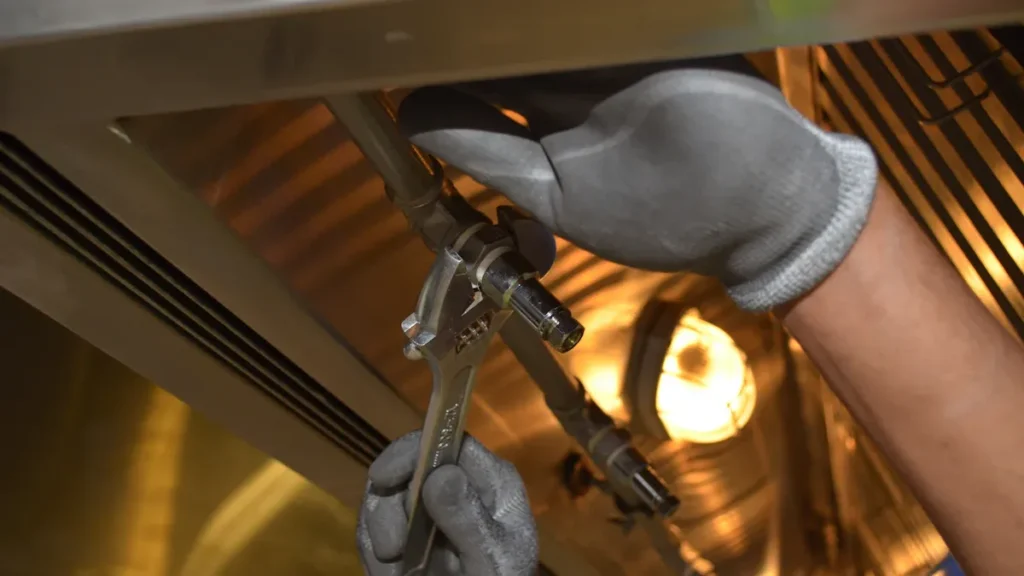
You put in stainless steel adapters by picking the right kind. You need to get the connection ready. You should use the right way to seal it. Doing this stops leaks and makes it last longer. Stainless steel adapters are very strong. They do not rust easily. This makes them better than copper or brass.
Material | Durability & Corrosion Resistance |
|---|---|
Stainless Steel | Very strong, does not rust, lasts a long time |
Copper | Lasts many years, rusts more than steel |
Brass | Rusts easily, can leak if water is not good |
Stainless steel is good for the earth. It can be recycled and used again. It lasts longer, so there is less trash.
Tools and Materials
Get your tools and materials before you start. The right equipment helps you stay safe. It also helps stop leaks.
Essential Tools
You need some basic tools for this job. Here is a list to help you:
Compression press tool with jaws for your pipe size
Adjustable wrench or pipe wrench
Pipe cutter or hacksaw for cutting pipes
Deburring tool to smooth pipe edges
Measuring tape
Marker or pencil for marking cuts
A compression press tool makes sealing easier. It helps you get a strong, leak-proof seal. Make sure your tools fit your stainless steel adapters.
Materials List
Good materials help prevent leaks. They also make your work last longer. Here are the main items you need:
Material Name | Description |
|---|---|
GRAY STAINLESS STEEL PTFE THREAD SEAL TAPE | This tape is made for stainless steel fittings. It stops galling, seizing, and corrosion. It is thick and seals coarse threads well. |
GRAY MAGIC PIPE THREAD COMPOUND | This compound is safe and strong. It seals many materials, including stainless steel. It also stops galling. |
INSTALLATION TIP | Wrap pipe threads with two or more layers of PTFE tape. Then use thread compound for better sealing. |
You also need high-quality stainless steel adapters. Brands like Kaitu Fitting offer a wide range of options that meet safety standards.
Small adapters cost about $7.75. Bigger ones can cost up to $21.42. Always check if your adapters meet safety standards like ISO 9001, ASTM A403, or ASME B16.9.
Safety Gear
Safety is very important. Protect yourself when working with stainless steel adapters. Wear:
Safety glasses to protect your eyes
Cut-resistant gloves for your hands
Ear protection if you use power tools
Tip: Work in a bright area. Keep your workspace clean to stay safe.
Installing Stainless Steel Adapters
Preparation
You need to prepare before you install stainless steel adapters. Start by checking the material and size of your pipes and fittings. Make sure everything matches. Clean the connection areas. Remove oil, rust, dirt, and grease. This helps you get a tight seal and stops leaks.
Check that your fittings match the pipes in material, size, and threading.
Clean all surfaces. Dirt or debris can cause leaks.
Use a marker to mark where you will cut or connect.
Tip: A clean workspace helps you avoid mistakes and keeps your plumbing system safe.
Sealant Application
You must seal the threads to prevent leaks. Use PTFE tape and pipe thread compound made for stainless steel adapters. Follow these steps:
Wrap the pipe threads with two or more layers of Gray Stainless Steel PTFE Thread Seal Tape. Start at the end of the fitting and wrap clockwise.
Use tape with a minimum thickness of 2.5 mil for strong sealing.
Apply Gray Magic Pipe Thread Compound over the tape. This stops galling and helps seal large diameter pipes.
Tighten the joint 1-2 turns past finger tight. Do not over-tighten.
Note: Using both tape and compound gives you better protection against leaks, especially for big pipes.
Press Fitting
Press fittings make your job easier and help prevent leaks. Many systems, like Apollo SmartPress, use special sealing elements. These elements create a leak-tight connection. Some systems have “leak before Press” technology. This means you can spot leaks before you finish pressing the fitting.
Use the correct press tool and jaws for your pipe size.
Place the adapter and fitting together.
Use the press tool to seal the connection. The tool squeezes the fitting and pipe together.
Check that the sealing element is in place before pressing.
Tip: Press fittings work well for commercial and industrial plumbing. They use strong seals like HNBR, EPDM, or FKM.
Tightening and Torque
You need to tighten stainless steel adapters to the right torque. Stainless steel needs more torque than brass. Use a wrench and follow the manufacturer’s torque specs. The table below shows the difference between brass and stainless steel torque values.
Thread Size | Brass & Aluminum Torque (lbf*in) | Stainless Steel Torque (lbf*in) |
|---|---|---|
M3x0.5 | 4-6 | 4-6 |
M4x0.5 | 4-6 | 4-6 |
10-32 | 7-9 | 9-12 |
M5x0.8 | 7-9 | 9-12 |
M6x1.0 | 7-9 | 9-12 |
1/4-28 | 7-9 | 9-12 |
5/16-24 | 15-17 | 20-22 |
M8x1.25 | 15-17 | 20-22 |
You should tighten stainless steel adapters about 5% more than brass ones. This helps you get a strong, leak-free connection.
Leak Testing
After you install stainless steel adapters, you need to test for leaks. You can use different methods:
Look for leaks with a visual inspection. Check for stains or discoloration around the joints.
Use high-frequency sound waves to find leaks in hard-to-reach places.
Try electromagnetic induction to spot changes in the metal that show defects.
Apply dye to the surface. The dye will show cracks or leaks through capillary action.
Use helium gas as a tracer. This method finds very small leaks.
Tip: Visual inspection is easy and works well for most jobs. Use other methods for critical or hidden connections.
Cleanup
Clean up after you finish installing stainless steel adapters. Use cleaning agents that do not harm stainless steel. Do not leave cleaning solutions on the metal for too long. Rinse the area well to remove any chemicals. You can use passivation to make the protective layer on the stainless steel stronger.
Choose cleaning agents that are safe for stainless steel.
Rinse all surfaces after cleaning.
Consider passivation for extra protection.
Note: Good cleanup keeps your plumbing system strong and helps prevent corrosion.
Common Mistakes
You need to watch out for mistakes when you put in stainless steel adapters. These mistakes can make leaks happen. They can also break parts and cost a lot to fix. If you know about these mistakes, you can keep your plumbing safe and strong.
Over-Tightening
Some people think making things tighter is always better. You might use too much force when you tighten the adapter. This can bend the ferrule and tubing. Leaks can happen because of this. Over-tightening also puts extra stress on the fitting. In high-pressure systems, this can make the adapter break. You might have to change fittings more often. This makes repairs cost more. Bent tubing can slow down water flow. Your system will not work as well. You might also hear more noise and feel more shaking. This can wear out parts faster.
Tip: Always use the torque instructions from the manufacturer. Use a wrench that can measure torque so you do not over-tighten.
Common effects of over-tightening:
Leaks from bent ferrules and tubing
Higher chance of big failures
More money spent on repairs
Slower water flow and lower pressure
More shaking and noise
Wrong Sealant
If you pick the wrong sealant, you can get leaks and rust. You need to use PTFE tape and pipe thread compound made for stainless steel. Some sealants do not stop galling or rust. If you use the wrong one, the adapter may not seal right. Water can leak out. The metal can rust or get pits. Always read the label before you use any sealant.
Cause | Explanation |
|---|---|
Corrosion and Pitting | Bad sealant lets chemicals or bad water rust the metal. This can make leaks. |
Improper Installation | Using the wrong sealant or not using it can make leaks happen. |
Note: Use sealants made for stainless steel. This helps stop leaks and keeps your plumbing safe.
Skipping Inspection
You might skip checking your work to finish faster. This can cause big problems. If you do not look for scratches or bad spots, the seal can fail. Tubing ends that are not cut straight will not seal well. Dirt or junk can get in and cause leaks. Checking your work helps you find small problems before they get worse. If you skip inspections, you can get rust, pressure problems, and big repair bills.
Checklist for inspection:
Look at tubes and fittings for scratches or bad spots
Cut tubing ends straight with the right tools
Clean tubing before you put it in
Follow the instructions from the manufacturer
Remember: Checking your work often keeps your plumbing safe and stops leaks.
Maintenance Tips
Regular Checks
You should check your stainless steel adapters from Kaitu Fitting often. Look for signs of rust, leaks, or damage. Use a flashlight to see hard-to-reach spots. If you find any cracks or stains, mark them for repair. Make sure all fittings feel tight and secure. A regular inspection helps you catch problems early and keeps your plumbing safe.
Tip: Set a reminder to inspect your plumbing every three to six months.
Cleaning
Keep your adapters clean to prevent corrosion and buildup. Use a soft cloth or brush with a mild detergent or a cleaner made for stainless steel. Stay away from steel wool or wire brushes because they can scratch the surface. Rinse the fittings with fresh water, especially if you live near the ocean or use salt in your water system. Good ventilation and low humidity help stop rust from forming.
Use neutral cleaners and soft cloths.
Avoid abrasive tools.
Rinse with fresh water after cleaning.
Dry the area well to prevent water spots.
Note: Clean up any leaks right away to stop corrosion from starting.
Replacement
Sometimes, you need to replace stainless steel adapters. If you see deep rust, cracks, or leaks that will not stop, it is time for a new fitting. Always use adapters that match your pipe size and type. When you replace a fitting, clean the area first and follow the same steps you used for the first installation. This keeps your plumbing strong and leak-free.
Remember: Replacing worn parts on time saves you money and prevents bigger problems later.
You can install stainless steel adapters by following each step carefully. Use the right tools to avoid damaging your fittings. Choose the correct sealant and tighten to the recommended torque. This helps prevent leaks and keeps your system strong. Watch out for common mistakes. Regular maintenance makes a big difference:
You spot leaks and corrosion early.
Cleaning with mild soap and water protects your fittings.
Good care helps your adapters last longer.
If you feel unsure at any step, ask a professional for help. As a trusted supplier, Kaitu Fitting is always here to support your needs.
FAQ
What type of sealant should you use for stainless steel adapters?
You should use gray PTFE thread seal tape and a pipe thread compound made for stainless steel. These products help prevent leaks and stop corrosion.
How tight should you make stainless steel adapters?
You should tighten adapters to the manufacturer’s recommended torque. Stainless steel needs about 5% more torque than brass. Use a torque wrench for best results.
Can you reuse stainless steel adapters?
You can reuse adapters if they show no signs of damage, rust, or wear.
Always inspect and clean them before reinstalling.
How often should you check for leaks?
Inspection Type | Frequency |
|---|---|
Visual Check | Every 3 months |
Full Inspection | Every 6 months |
You should check for leaks regularly to keep your plumbing safe.