zhui

Understanding Thread Pitch: Metric vs BSPP vs UN/UNF Comparison

Understanding Thread Pitch: Metric vs BSPP vs UN/UNF Comparison

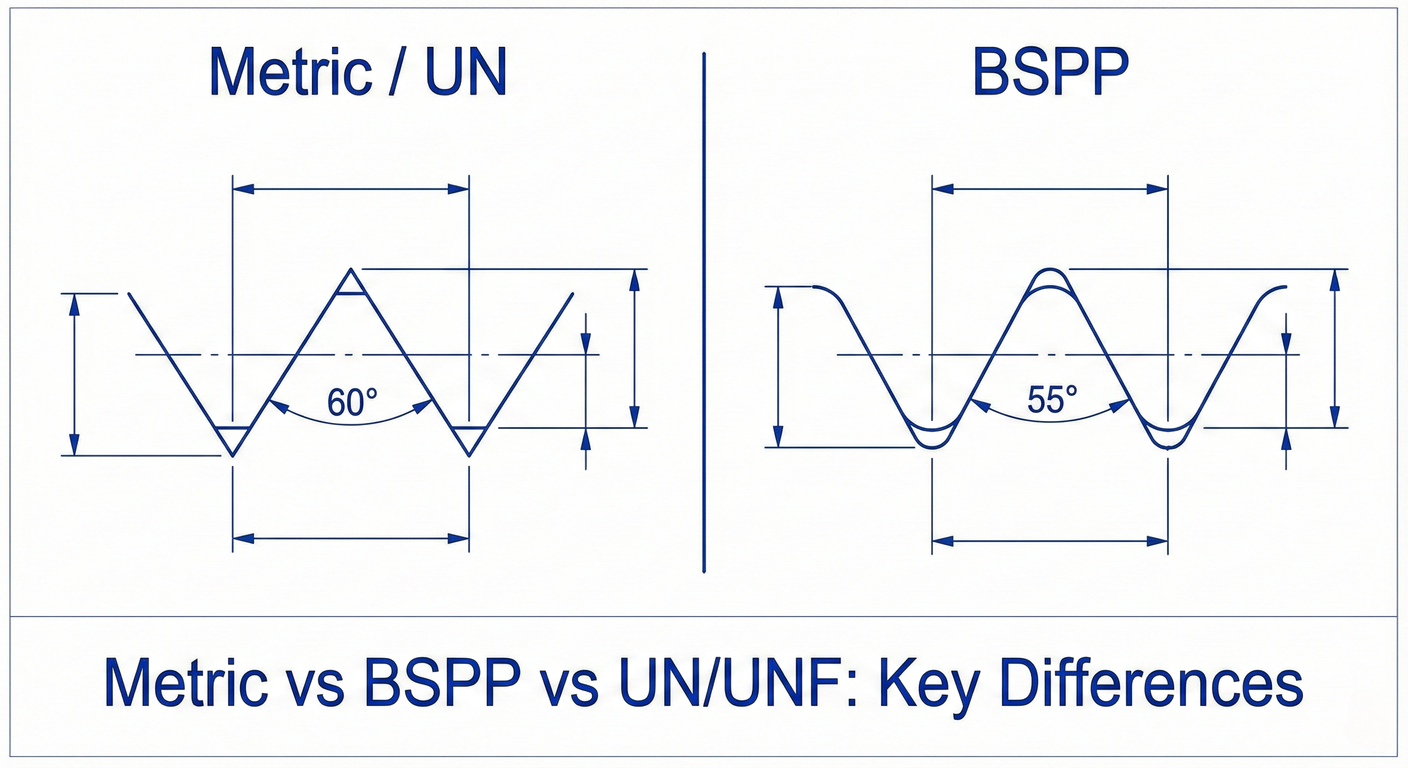
TL;DR: Thread pitch defines the specific distance between threads, but it is expressed differently across standards. Metric threads measure the distance in millimeters, whereas BSPP and UN/UNF systems count Threads Per Inch (TPI). Although some diameters appear similar, these thread systems utilize different flank angles (55° vs. 60°) and are not directly interchangeable. Identifying the correct pitch is mandatory […]

Understanding Thread Pitch: Metric vs BSPP vs UN/UNF Comparison Read More »
Understanding Thread Pitch: Metric vs BSPP vs UN/UNF Comparison

DIN 2353 L-Series vs. S-Series Dimensions: Key Differences and Selection Guide

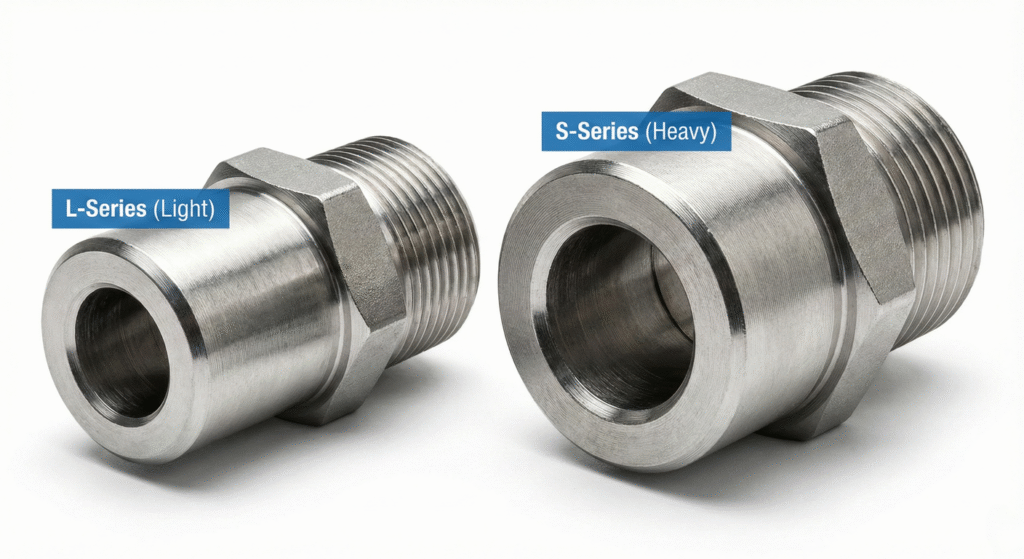
TL;DR: DIN 2353 compression fittings are divided into L-Series (Light) and S-Series (Heavy). While they may share the same Tube Outer Diameter (OD), they differ significantly in wall thickness, thread size, and pressure rating. They are not interchangeable. L-Series is for medium-pressure lines, while S-Series handles high-pressure, high-vibration, and water-hammer conditions. Understanding DIN 2353 Compression Fittings What Is DIN 2353?

DIN 2353 L-Series vs. S-Series Dimensions: Key Differences and Selection Guide Read More »

Importing Hydraulic Adapters from China: A Quality Control Checklist

Importing Hydraulic Adapters from China: A Quality Control Checklist

TL;DR: Importing hydraulic adapters from China involves hidden quality risks such as material substitution, thread mismatch, and unstable machining tolerances. A structured QC checklist—from supplier audits to pre-shipment inspections—helps catch these issues before shipment, reducing rework, warranty claims, and field failures. Understanding Hydraulic Adapters and Import Risks What are hydraulic adapters and their common applications? Hydraulic

Importing Hydraulic Adapters from China: A Quality Control Checklist Read More »

One-Piece vs. Two-Piece Hydraulic Fittings: Cost & Durability Analysis

One-Piece vs. Two-Piece Hydraulic Fittings: Cost & Durability Analysis

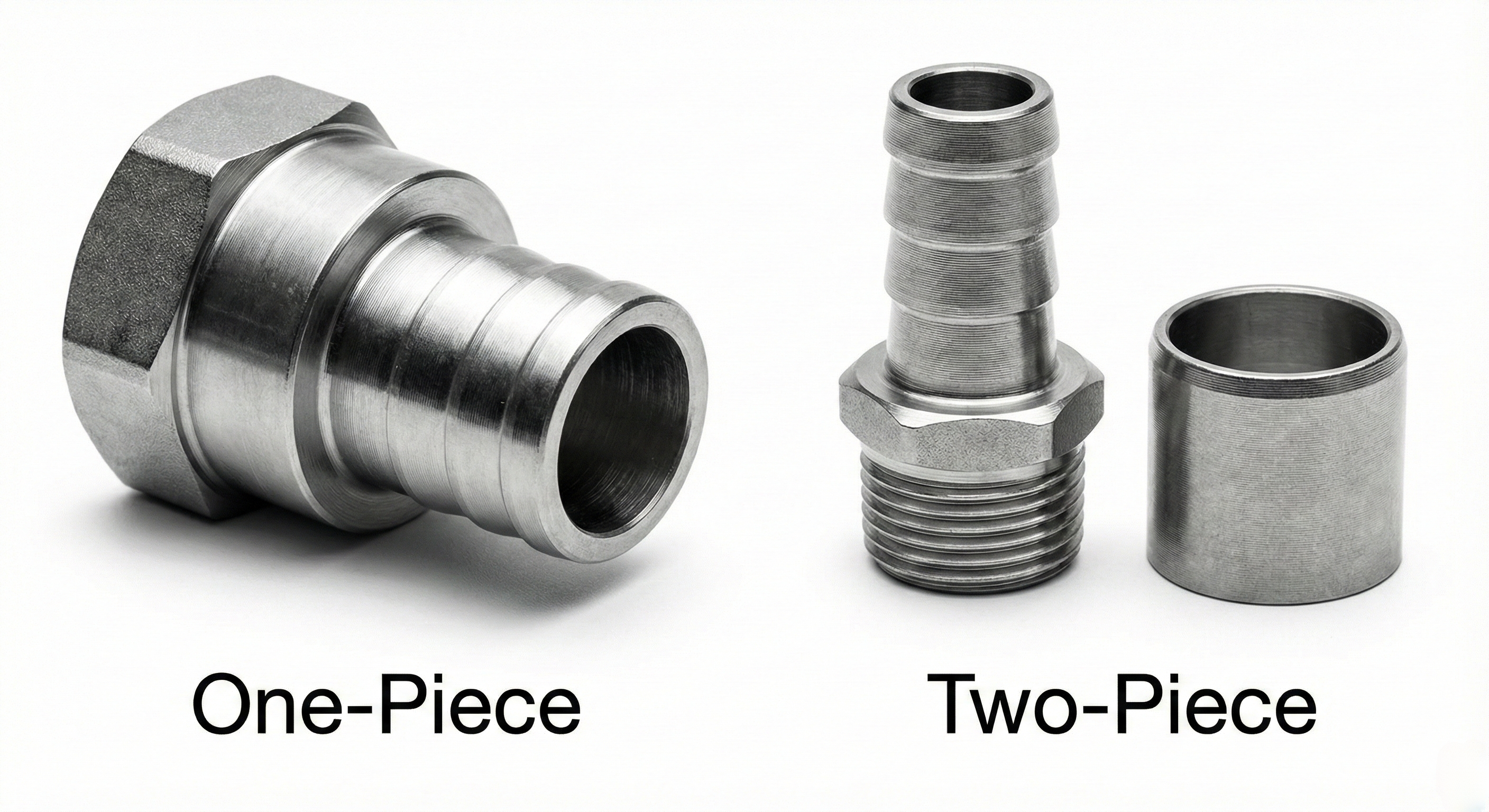
TL;DR: One-piece hydraulic fittings (integrated ferrule) generally offer higher durability, consistent crimping, and lower leak risks, making them ideal for OEM and high-vibration applications. Two-piece fittings (separate ferrule and insert) provide lower upfront costs and greater inventory flexibility for maintenance and repair (MRO) scenarios. The right choice depends on your priority: long-term reliability vs. inventory versatility. One-Piece vs. Two-Piece Hydraulic Fittings: What’s

One-Piece vs. Two-Piece Hydraulic Fittings: Cost & Durability Analysis Read More »

SAE J514 vs. ISO 8434-2: Are JIC 37° Flare Standards the Same?

SAE J514 vs. ISO 8434-2: Are JIC 37° Flare Standards the Same?

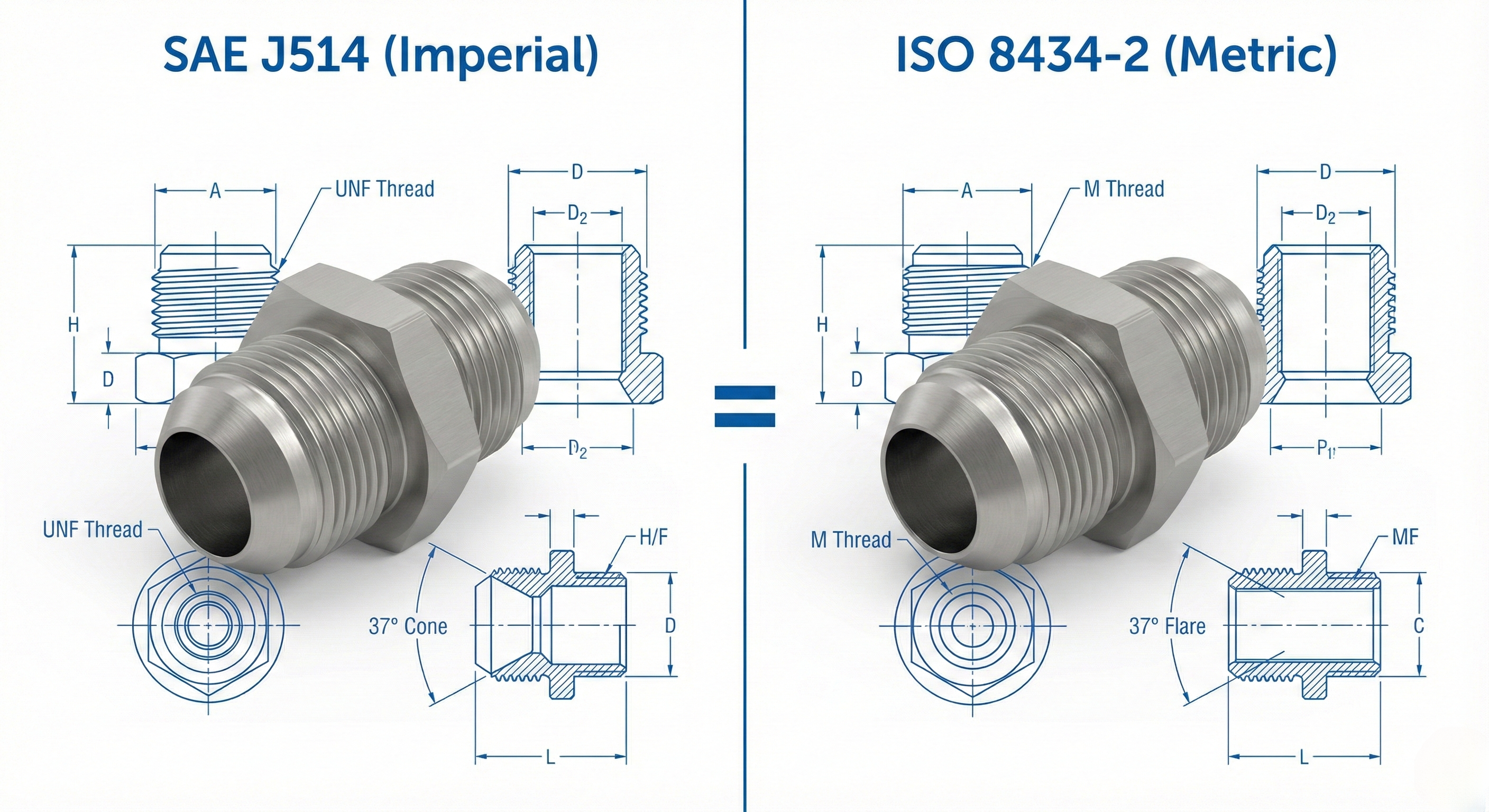
TL;DR: SAE J514 and ISO 8434-2 define the same JIC 37° flare fitting system. They are dimensionally and functionally interchangeable. The only difference lies in the documentation format and unit expression (imperial inch vs. metric mm). For global procurement, specifying either standard ensures you receive the exact same compatible component. Are SAE J514 and ISO 8434-2 the Same Standard? Short Answer: Yes. Both

SAE J514 vs. ISO 8434-2: Are JIC 37° Flare Standards the Same? Read More »

Exploring Stainless Steel Marine Fittings and Their Boating Applications

Exploring Stainless Steel Marine Fittings and Their Boating Applications

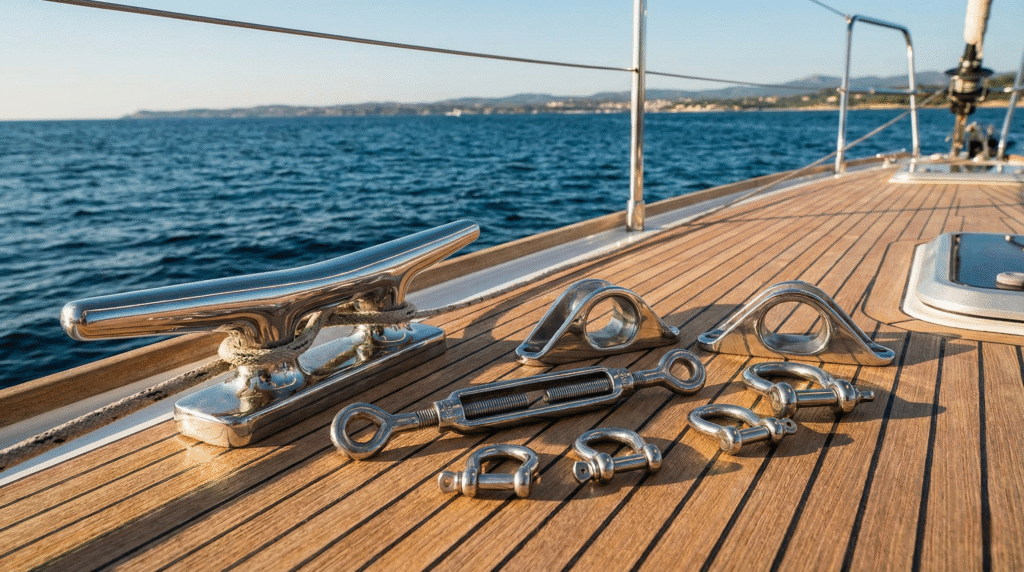
You depend on stainless steel marine fittings to make your boat safe and sturdy. These fittings use special steel that does not get damaged easily by saltwater, air, or small living things. Saltwater works like an electrolyte and makes metal break down faster, especially when different metals touch. Stainless steel keeps your boat safe by using coatings

Exploring Stainless Steel Marine Fittings and Their Boating Applications Read More »

Understanding Stainless Pipe Couplings and Their Standards

Understanding Stainless Pipe Couplings and Their Standards

Stainless pipe couplings connect pipes tightly. This helps stop leaks in many places. These couplings use materials like SS304 and SS316. These materials protect well against rust and corrosion. The table below shows how they are different: Material Composition Corrosion Resistance Properties SS304 18% Chromium, 8% Nickel Very good at stopping rust and oxidation in easy

Understanding Stainless Pipe Couplings and Their Standards Read More »

Stainless steel flanged fittings: Which type fits best?

Stainless steel flanged fittings: Which type fits best?

For most uses, 316/L stainless steel flanged fittings, specifically weld neck types, are very strong and resist rust well. They work effectively in tough environments with water or chemicals. The best stainless steel flanged fittings depend on your system’s pressure, temperature, and the fluid you use. How the fitting is made, whether by forging or casting,

Stainless steel flanged fittings: Which type fits best? Read More »

Stainless Steel Connectors: A Guide to Leak Prevention & Durability

Stainless Steel Connectors: A Guide to Leak Prevention & Durability

You might wonder if a stainless steel connector can keep leaks away for good. Stainless steel connectors from Kaitu Fitting stand out because they resist rust, handle high pressure, and last for years. Unlike plastic fittings that wear out or crack, these connectors stay strong, helping you avoid messy leaks in your plumbing. Leak prevention with stainless steel connector

Stainless Steel Connectors: A Guide to Leak Prevention & Durability Read More »

Shopping Cart