
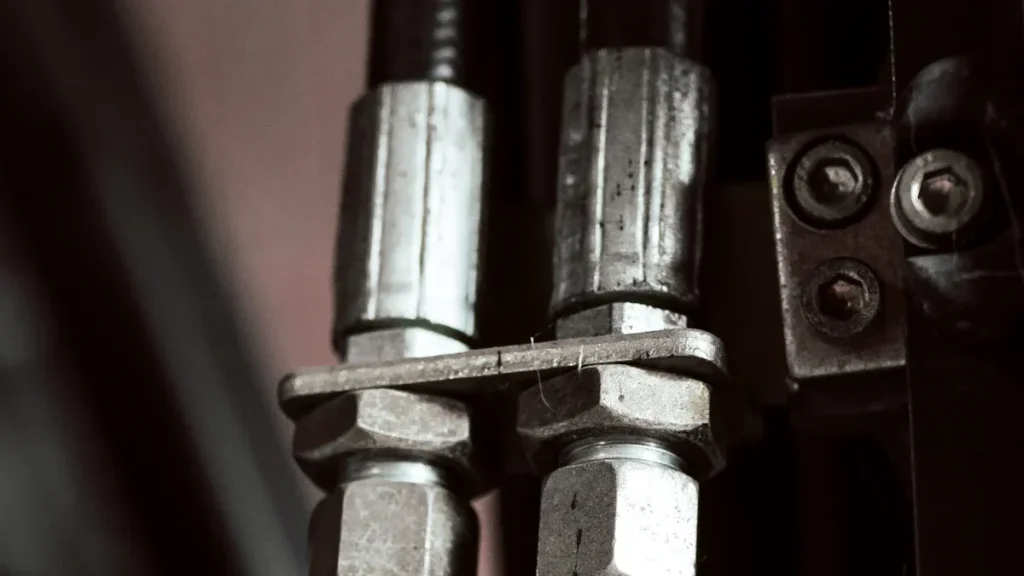
You might have trouble joining hydraulic parts with different threads and sizes. Hydraulic Adapters help you fix this by making a safe connection between parts with different thread types. Many hydraulic systems use tapered pipe threads, flared seat threads, and O-ring seal threads. Most systems today use both imperial and metric threads. This is because companies around the world use many standards. Trusted brands like Kaitu Fitting give you leak-proof and custom solutions for any job.
Hydraulic Adapters
Definition
Hydraulic Adapters let you join parts in a hydraulic system that do not match in thread or size. You use them when two pieces cannot connect by themselves. These adapters come in many forms. Some are straight. Others bend at 45 or 90 degrees. Some look like a T and can join three lines together. Hydraulic Adapters help you fix or build systems without needing to replace every part.
You will find adapters made from different materials. Each one has its own good points. The table below lists the most common materials and what makes them useful:
| Material | Advantages |
|---|---|
| Stainless Steel | Resists rust, is strong, works well in tough places, and is good for factories and ships. |
| Brass | Easy to shape, works for lower pressure, resists rust, and does not cost much. |
| Aluminum | Light, lets heat move through it, and is great for planes and moving machines. |
| Carbon Steel | Very strong, handles high pressure, good for hard jobs, but may need a special coating. |
| Special Alloys | Made for very hot, harsh, or high-pressure places, and keeps working well. |
Pick the right material for your system. Stainless steel is good for ships or chemical plants. Aluminum is best when you need to keep things light, like in moving machines.
Role in Thread Conversion
Hydraulic Adapters are important for joining parts with different thread types. Sometimes, one part has metric threads and the other has imperial threads. Adapters help by making a bridge between them.
- Hydraulic adapters, also called conversion fittings, let you join hoses, tubes, or pipes with different thread types.
- You can use them to connect:
- JIC to British threads
- Metric to American threads
- British to O-Ring Flat Face
- Japanese (JIS) to JIC
- Adapters come in many shapes, such as straight, 90-degree, 45-degree, and tee configurations.
Using the right adapter keeps your system safe and working well. The table below shows how adapters help with safety and reliability:
| Feature | Contribution to Reliability and Safety |
|---|---|
| Secure, leak-free connections | Stops leaks and keeps the system safe and clean. |
| Quick maintenance | Makes repairs faster and keeps things running. |
| Safety features | Stops parts from coming apart by accident and keeps people safe. |
| Visual indicators | Lets you see if things are connected right and helps avoid danger. |
| Contamination resistance | Stops oil from leaking and making floors slippery, which keeps everyone safer. |
Tip: Always check the thread type and size before picking an adapter. This helps stop leaks and keeps your system working well.
Hydraulic Adapters make it simple to join parts that do not fit together. They let you use many thread types and system designs.
Thread Types
NPT
NPT threads are used a lot in hydraulic systems. NPT means National Pipe Taper. These threads get smaller as you screw them in. This shape helps make a tight seal. It stops leaks from happening. You can put in NPT fittings with simple tools. NPT threads work in many places, like factories and homes. They can handle high pressure, so they are safe for hydraulic systems.
| Characteristic | Description |
|---|---|
| Tapered Design | The narrowing shape makes a strong seal. It helps stop leaks when under pressure. |
| Ease of Installation | You can install them easily. Just use the right tools. |
| Versatile Applications | Used in many places, like big pipes and home plumbing. |
| Compatibility | They are easy to swap out for repairs. |
| Reliable Sealing | They seal well and can handle high pressure in hydraulic systems. |
BSP
BSP means British Standard Pipe. You see these threads mostly in Europe and Asia. BSP threads come in two kinds: parallel and tapered. They need a special paste to stop leaks. BSP and NPT threads look alike, but they do not fit together. The table below shows how they are different:
| Feature | BSPT | NPT |
|---|---|---|
| Thread Angle | 55 degrees | 60 degrees |
| Thread Pitch | Not the same as NPT | Not the same as BSPT |
| Sealing Method | Needs sealing paste | Uses other sealing ways |
| Compatibility | They do not fit together | They do not fit together |
Tip: Always check the thread type before you connect parts. If you use the wrong one, it can leak.
JIC
JIC stands for Joint Industry Council. You find these threads in many jobs. JIC fittings are used in hydraulic systems, cars, ships, and farm machines. They use a 37-degree flare to make a strong seal. JIC threads work well for hard jobs.
- Hydraulic Systems: Used in machines, building equipment, and planes.
- Automotive Industry: Needed for fuel lines, brakes, and transmissions.
- Marine Applications: Good for hydraulic systems near water.
- Agricultural Machinery: Used in tractors and big farm machines.
Metric
Metric threads use millimeters to measure. You see them in cars, planes, and factories. Metric fittings can have straight or tapered threads. Straight threads often use an O-ring to seal. Tapered threads seal by touching metal to metal. Metric threads are more exact and follow rules better than imperial threads.
| Feature | Metric Threads | Imperial Threads |
|---|---|---|
| Measurement Units | Measured in millimeters | Measured in inches |
| Pitch Definition | Space between threads | Threads per inch (TPI) |
| Precision | More exact and follow rules | Used in the U.S. and old machines |
Why Threads Differ
There are many thread types because of history. Long ago, people made threads by hand, so sizes were different. In 1760, factories made threads faster, but each used its own way. In 1841, Joseph Whitworth said there should be standard sizes. America made its own rules in 1864. During the World Wars, people wanted the same threads everywhere. In 1948, countries agreed on one kind of thread. Later, ISO metric threads became popular all over the world.
- Hand-made threads made many sizes.
- Factories made threads fast, but each had its own style.
- Whitworth wanted standard sizes in 1841.
- America made its own rules in 1864.
- World Wars made people want the same threads.
- Unified and ISO metric threads became common.
Hydraulic Adapters let you join these different thread types. They help keep your system safe and working well.
Thread Conversion
Adapter Design
You will find many hydraulic adapter designs that help you connect different thread types. Each design solves a specific problem. Some adapters use a 37° flare, like JIC adapters, to create a strong seal and handle high pressure. NPT adapters use tapered threads and need sealant for a tight fit. ORFS adapters use an O-ring for leak-free connections. BSP adapters come in parallel and tapered types, each with its own sealing method. SAE adapters work well in cars and heavy equipment because they follow strict standards. Metric adapters fit European and Asian systems. DIN adapters offer precision and durability. Flareless compression adapters grip tubes without flaring. Quick-connect adapters let you change hoses fast without tools. Weld-on and bulkhead adapters give you permanent or panel connections.
Tip: Always match the adapter design to your system’s needs. This helps you avoid leaks and keeps your equipment safe.
Sealing Methods
You need a good seal to stop leaks in hydraulic systems. O-ring seals use a rubber ring to block fluid. You can choose different O-ring materials for heat, chemicals, or pressure. Thread sealants, like Teflon tape or special pastes, fill gaps in threads. Metal-to-metal seals rely on tight machining, often found in flared fittings. Face seals use a flat surface to hold pressure and prevent leaks.
- O-ring seals: Flexible and reliable for many uses.
- Thread sealants: Easy to apply and work with most threads.
- Metal-to-metal seals: Strong and precise for tough jobs.
- Face seals: Best for high-pressure systems.
Leak Prevention
You want to keep your hydraulic system leak-free. Use PTFE thread seal tape for water and gas lines. Hemp fibers and PTFE tape work well if you apply them carefully. Thread sealing paste fills gaps and comes in solvent-based or anaerobic types. Anaerobic sealants cure without air and resist vibration and chemicals. You can pick low, medium, or high-strength sealants depending on how often you need to take things apart.
| Technique | Description |
|---|---|
| PTFE Thread Seal Tape | Lets you adjust fittings without losing the seal. |
| Hemp Fibres and PTFE Tape | Common methods; need careful use to avoid leaks. |
| Thread Sealing Paste | Fills gaps in threads; choose solvent-based or anaerobic for best results. |
| Anaerobic Thread Sealants | Cure without air; resist vibration and chemicals. |
| Strength Options | Low, medium, or high strength for different needs. |
Note: Always check your seals after installation. A small leak can lead to big problems if you ignore it.
Adapter Selection
Identifying Threads
You must know the thread type before picking a hydraulic adapter. Hydraulic systems use many thread standards. You can use easy tools to help with this.
- Thread pitch gauge checks how many threads are in an inch or millimeter.
- Caliper lets you measure the outside of the thread.
Look at the thread’s shape and count the threads. Some threads are straight, and some are tapered. Check if the thread matches NPT, BSP, JIC, or metric standards. Kaitu Fitting has adapters for all main thread types, like DIN, ISO, SAE, JIS, and BSP. If you have a special thread, Kaitu’s team can help you find the right one.
Tip: Always use a thread pitch gauge and caliper to check threads. This helps stop leaks and wrong connections.
Measuring Size
You need to measure the thread size to pick the right adapter. Use a caliper and a thread pitch gauge for this step. The way you measure depends on the thread type.
| Thread Type | Measurement Method |
|---|---|
| Male Threads | Use a chart or profile to find the size. |
| Female Threads | Take away ¼” from the inside size to get the right number. |
| UN/UNF or Metric | Use calipers to measure the biggest part; that is the size. |
Here are the steps to measure thread size:
- See if the thread is straight or tapered.
- Use a pitch gauge to check the pitch.
- Use calipers to measure and take away ¼” for pipe threads.
- Write down the thread type.
Write down your measurements and check them with standard charts. Kaitu Fitting has adapters in many sizes, so you can always find one that fits.
Application Needs
Think about what your system needs before picking a hydraulic adapter. Every system is different. You should think about pressure, temperature, vibration, and fluid type.
| Selection Criteria | Description |
|---|---|
| Pressure Rating | Must handle the highest pressure in your system; pick fittings rated higher than the max. |
| Temperature Resistance | Makes sure it works well in hot or cold places; check the material to see if it fits. |
| Vibration Resistance | Needed for places with lots of shaking; some designs like ORFS are best for this. |
| Application-Specific Design | Made for special needs based on size, place, and fluid type. |
Pick adapters with special seals for high-pressure or hot jobs. If your system shakes a lot, choose adapters made for vibration. Kaitu Fitting helps many industries, like energy, chemicals, medicine, food, and ships. You can ask Kaitu’s team for help with special jobs.
Note: Always match the adapter to your system’s pressure and temperature. This keeps your equipment safe and working.
Material Choice
You need to pick the best material for your hydraulic adapter. The material changes how well the adapter works. Think about the material, where you use it, pressure, reliability, size, and temperature.
- Type of material
- Where you use it
- Pressure ratings
- Reliability
- Size
- Temperature needs
Pick stainless steel for hard jobs or brass for less pressure. Aluminum is good if you want something light. Special alloys work for very hot or chemical places. Kaitu Fitting has adapters in many materials and can make special ones for you.
Kaitu Fitting’s Customization and Support
Kaitu Fitting gives you lots of choices for hydraulic adapters. You can pick from many thread standards, like DIN, ISO, SAE, JIS, BSP, NPT, and metric. If you need a special adapter, Kaitu’s team can make one just for your system.
| Customization Options | Description |
|---|---|
| Tailored Configurations | Custom designs for special needs in hydraulic adapters. |
| Support for Various Thread Types | Works with many thread types like BSP, NPT, metric, and DIN. |
| Special Fittings for Unique Needs | The team can make fittings for special jobs in factories. |
Kaitu Fitting helps many industries:
- Energy systems
- Chemical plants
- Medicine factories
- Food and drink machines
- Ships and offshore jobs
You can count on Kaitu Fitting for fast shipping and expert help. Most orders ship in 24 hours. You get adapters that fit your system and meet your industry’s rules.
Tip: If you cannot find the adapter you need, Kaitu Fitting can make one for you. This helps you get the best fit and performance for your hydraulic system.
Installation Tips
Preparation
Getting ready before you install hydraulic adapters is important. It helps you avoid problems later. Follow these steps to make sure everything goes well:
- Select the Right Fittings: Pick the right adapter type and size. Check the pressure rating for your system. Make sure the temperature range fits your needs. See if the fluid works with the adapter.
- Prepare the Connection: Clean all surfaces before you connect them. Take away dirt, oil, and sharp edges. Clean surfaces help you get a tight seal. This stops leaks from happening.
- Apply the Correct Sealing Technique: Use O-rings or thread sealants as the manufacturer says. This step keeps leaks away and makes your system safe.
- Tighten to the Right Torque: Use a torque wrench to tighten the fittings. Always follow the torque values given. This helps you avoid leaks or damage.
Tip: Check your parts and tools before you start. Good preparation saves time and stops mistakes.
Tightening
You need to tighten hydraulic adapters carefully. If you tighten too much, it can break the fitting. It can also crush the seal and cause leaks. If you tighten too little, the fitting can get loose. This also causes leaks and is not safe. Always use a torque wrench for the right tightness. Look at the manual or fitting for torque values. Different threads like JIC, BSPP, or metric need special torque. Some threads lock by pressing together. Others use a taper to seal themselves. SAE J514 standards tell you the best torque for hydraulic fittings.
Note: Do not guess how tight to make it. Using the right torque keeps your system safe and leak-free.
Safety
Safety is very important when you work with hydraulic systems. Remember these points:
- Do not tighten too much or you might crack the threads.
- Keep adapters in sealed containers to stop dirt from getting in. Clean your work area to avoid contamination.
- Stay away from high-pressure lines. Stand in a safe spot to avoid getting hurt.
- Never use your hands to check for leaks. Use the right tools to look for leaks.
⚠️ Always wear safety gear and follow good practices. A safe workspace keeps you and your equipment protected.
Troubleshooting
Leaks
Leaks can happen for many reasons in hydraulic systems. You should find leaks early to keep things safe. Here are some common causes:
- Wear and Tear (Abrasion): Hoses can rub on other parts and wear out.
- Kinking and Twisting: If hoses bend or twist too much, they can leak.
- Age and Degradation: Old hoses may crack and let fluid out.
- Improper Installation: Fittings that are not put in right can leak.
- Pressure Spikes and Surges: Sudden pressure changes can hurt hoses.
- Temperature Extremes: Very hot or cold can make hoses weak.
- Chemical Incompatibility: Some chemicals can break down hose material.
- Fitting Issues: Loose or broken fittings often cause leaks.
Tip: Always look for leaks after you put in adapters. Wipe connections with a clean cloth and check for wet spots. If you see a leak, fix it fast.
Kaitu Fitting uses seal tests and pressure burst tests to check adapters. You get fittings that work well and do not leak.
Cross-Threading
Cross-threading happens when threads do not match up. This can break fittings and cause leaks. You can stop cross-threading by doing these things:
- Start threading by hand so the fitting lines up.
- Use good tools made for hydraulic systems.
- Keep threads clean and add a little lubricant.
- Follow clear steps when you connect parts.
- Use a torque wrench to tighten fittings right.
- Check threads before and after you install them.
Note: Good training helps you avoid cross-threading. Always check if things line up before you tighten.
Kaitu Fitting checks threads for damage during inspections. You get fittings that meet strict safety rules.
Thread Identification
You need to know the thread type before you put in adapters. This helps you pick the right fitting and stops leaks or damage. Use a thread pitch gauge to count threads. Use a caliper to measure the outside diameter. Look at the thread shape to see if it is straight or tapered.
| Step | What You Do |
|---|---|
| Use pitch gauge | Count threads per inch or millimeter |
| Use caliper | Measure outside diameter |
| Check thread shape | See if straight or tapered |
Kaitu Fitting checks adapters with inspections and size checks to match the right thread type. You get connections that work every time. Their tracking helps you watch fittings after you install them, so your system keeps running well.
Hydraulic adapters and thread conversions help you make safe connections. They let fluid move easily in your system. These adapters stop leaks and make fixing things simple.
- You can join tubes, pipes, and hoses with different threads or sizes.
- They keep your system working well and protect your equipment.
- Adapters work with high pressure and give strong performance.
You should always check the threads before picking adapters. Choose ones that fit your system’s needs. Trusted brands like Kaitu Fitting give you good quality and quick help. Follow smart steps when you install and fix things. This keeps your hydraulic system working smoothly.
FAQ
What is the main purpose of a hydraulic adapter?
You use a hydraulic adapter to connect parts with different thread types or sizes. This lets you join hoses, pipes, or tubes that would not fit together otherwise. Adapters help you build or repair hydraulic systems without replacing every part.
How do you identify the thread type on a fitting?
You can use a thread pitch gauge to count the threads. A caliper helps you measure the outside diameter. Look at the thread shape to see if it is straight or tapered. This process helps you pick the right adapter.
Can you reuse hydraulic adapters?
You can reuse hydraulic adapters if they show no damage or wear. Always check for cracks, worn threads, or deformed seals. If you see any problems, replace the adapter to keep your system safe.
Why do leaks happen after installing a new adapter?
Leaks often happen when you use the wrong thread type, do not tighten the fitting enough, or skip the correct sealant. Always check the thread, use the right tools, and follow the installation steps. This helps you prevent leaks.